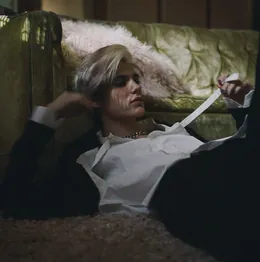
kullervo ikonen | first year | durmstrang
 | kullervo ikonen |  |
pure-blood human finnish sodankylä | │ │ │ │ │ │ │ │ │ |
 | │ │ │ │ │ │ │ │ │ | male first year oct 23 istj 5w6 |
| durmstrang | |
i. backstory and fiom ii. appearance and personality iii. trunk iv. trackers v. graphics
Last edited by Kullervo Ikonen on 2 Sep 2026, 12:39, edited 2 times in total.
kullervo ikonen | first year | durmstrang
 | backstory |  |
_____________________________________
K│ U│ L│ L│ E│ R│ V│ O│ |
A boy as pure as snow was brought into this world in late October, the transition from the somewhat milder month of September into the impending harsh and unforgiving subarctic conditions of Northern Finland. The sweet child who would have embodied the harmonic values of autumn, would soon experience the true nature of winter within the stone cold walls of the ancestral Ikonen estate, which was buried deep within the forests surrounding Sodankylä. He would stand true to his given name of second-hand tragedy that was bestowed upon him at birth. Kullervo Ikonen was born into a wealthy pure-blood family where he was the heir to a dynasty. The Ikonen lineage did not bend, falter, nor forgive, not unlike the heavy snowfall and sharp temperature drop raging outside just a week after his birth. Perhaps it was inevitable that the punishing Nordic winter would shape his first proud breaths of life. Or perhaps it was his very birth that bent nature itself to revolve around him. Kullervo’s parents, Ainikki and Eero Ikonen, were blood status elitists who both worked for the Finnish ministry. With their spoils came reputation and Kullervo learned early on, by the time he took his first few steps, that they were not the kind of people who would freely give affection nor praise. Such things were to be earned and came in the form of quiet acknowledgement. Unbeknownst to Kullervo, another son carrying the Ikonen name came years before him, Tapio, who abandoned the family ideals and embraced the Dark Arts. From that day, he was nothing more than a nameless wizard and was cast off with disgrace. The Ikonens did not mourn him. They erased him. His portraits disappeared from the walls, his name was scrubbed from family records, and those who remembered him were dismissed or bound to secrecy. By the time Kullervo was old enough to remember the structure of the manor, there was no trace that another heir had ever existed. Thus, Kullervo was raised as the only Ikonen heir and Ainikki and Eero would not repeat the same mistakes as they did with Tapio. Other children were not part of Kullervo’s upbringing, due to both geographical isolation and his generally unpleasant attitude. Tutors certainly came and went. History, art, etiquette. But they were never anything more to him than another authority figure to feel contempt towards. Even his own parents spoke to him like a malleable object. And the portraits of his ancestors were silent witnesses to his indoctrination. They judged how he walked in the place of footsteps that were not his own, watching in silent approval when Eero would correct Kullervo’s posture, tell him to dry his sour tears and harden his heart. Regardless, Kullervo was nothing short of spoiled. By the time of his first sentences, he’d found he could have absolutely anything he wanted on a whim if he simply snapped his petite little fingers. He made certain to exercise such power, ordering the family servants around to do his bidding, discarding expensive toys when they no longer stirred his curiosity, purchasing other peoples’ treasured possessions even if he didn’t really want them, but just because he could. He believed that people were of the same matter as material and his parents did nothing short of reinforcing that principle. It earned him something dangerously close to approval from his father, something that Kullervo would spend the better part of his childhood chasing after. Kullervo, however, found comfort in his solitude. He’d spend his leisure time consuming literature by frosted over windows, watching how the snow fell elegantly into the drifts. With observation came the understanding that many emotions were not unlike the impending heatwaves of the midyear. It spread rapidly and left disorder in its wake. It required urgent reform, to be shut out. The older he grew, the more apparent it became to Kullervo that perfection was not harmonious with affection. Achievement was expected of him as naturally as snow was expected come his next birthday. But excellence did not earn him praise, simply the brief absence of criticism. He learned to crave even that much, especially when he was systematically taught to conceal every ugly sentiment beneath his composure. If it could not be refined into something that provided, defended or inflicted harm, then it was useless. That concept would soon become a staple in his life. It was around the age of seven that Kullervo learned what it truly meant to hold any power that wasn’t borrowed from his predecessors, and he committed his first deliberate act of cruelty. He remembers a meeting between his parents and other pure-blood families that were invited to the estate, nothing that was of any interest to him at this age. Instead, he found himself lingering by the steps that led to the grand front door, drawing little shapes in the snow on the railing while the adults’ conversation drifted outside. This was when another boy had wandered too close to the manor. A groundskeeper’s son, a shabby little half-blood no older than himself. Kullervo remembers few details about him beyond his irritating giggles and the dirty footprints he left in the snow. And that the boy had greeted him so casually, as though they knew each other, as though they were friends. As though they were equals. And within earshot of distinguished guests, no less. Kullervo couldn’t be seen with this boy, much less heard speaking with him. For the past hour, he’s heard the adults’ careless utterances from indoors regarding blood status, disdain woven so naturally into their dialect that it no longer sounded defiling, and he would repeat those very sentiments in this moment. The other child cried. Kullervo waited for guilt, but it never arrived, never in the place of triumph. Not because what he said was in any way inventive, nor that the other boy’s tears amused him, but because he had discovered that true power over people was not loud. It was the ability to reduce your enemy into something small and pathetic. Kullervo does not know when he started considering every other person to approach him to be his enemy… but his parents’ lack of scolding for his actions was enough approval to encourage that behaviour to take root. Nevertheless, beneath the frostbitten arrogance and carefully cultivated condescendance, Kullervo remained painfully aware of the ghostly emptiness that remained tethered to him throughout the estate. His home was as devoid of mirth as it was vast, the corridors stretching on indefinitely, illuminated only by dim enchanted sconces and the watching eyes of his ancestors’ portraits. Sometimes, while his mother was occupied with work, Kullervo would linger outside his father’s study just to hear another voice, to remind himself that he wasn’t the only living thing within a hundred mile radius. He never entered. There only existed one indulgence Kullervo picked up the following year that his parents never succeeded in entirely regulating, purely because they adapted to the elegance of the craft. Painting. It was first a practice to nurture sophistication, just another thing his tutors found to subject to their clinical disapproval. But somewhere amidst the scent of turpentine, he found he couldn’t help but put a bit of himself into his artwork. It was the one thing he allowed himself to find nothing but pure enjoyment in. The canvas did not scold him when he made mistakes and the colours did not recoil from his sharpness. Kullervo discovered a rare authority over flaws within gilded frames. Imperfections and mistakes could be concealed with layers of colour and refined into intention. It obeyed him in ways that his negative emotions and people never could. His parents would praise the technicality of painting, but his father would scrutinise the art whenever Kullervo would paint without instruction. He never forgot his father’s words; “Art is only valuable when disciplined. Emotion ruins it.” Kullervo neither forgot the painting he destroyed following that remark. The subject of his artwork shifted following his foundation year for Durmstrang. Portraits he painted depicted faces that he’d not necessarily seen before and they became meticulous with realism, yet they were uncanny and hollow with grotesque beauty. Winter remained constant throughout each artwork; pale forests, motionless black lakes, skeletal trees melting skywards toward empty heavens. Even at a young age, his paintings possessed an unsettling stillness to them, as though something terrible had just occurred or was moments away from happening. No one cared to comment. The passing of Eero Ikonen occurred less than three weeks before Kullervo’s departure to Durmstrang for his first year. Kullervo thought the foundation year would stomp out any weaknesses that remained, but it seemed to him that his heart, which he had spent many years calcifying, was raw with the ache of grief. The body of his father was never shown to him and perhaps that was the most disturbing thing. Death became strangely abstract when one was denied proof of it. As far as Kullervo was concerned, his father was seated at the head of the table for breakfast one morning, not bothering to spare him much of a glance over his paperwork like he always did, left for work, then simply ceased to exist on the evening of that same day. It was as though he simply went away for business, as he had done before. Except Eero Ikonen would not return home this time. Ainikki did not cry and neither did Kullervo. Grief didn’t detonate, it was more like the wound was instantly cauterised by the blizzard of rumours surrounding Eero, that perhaps his death was less sudden as it was intentional. Political enemies, foreign intervention, opposing radicals. Assassination. That much the boy could understand. Truth had become secondary to the wound itself of the fact that someone had struck against his family. Someone had humiliated them. And worst of all, Kullervo was powerless to prevent it from happening. Such was the fact that gnawed at him more than anything. The weeks that followed up until the beginning of the school year contained a transformation of how he carried himself. He began listening during the meetings his parents - no, his mother attended. He committed names, alliances, and murmured accusations to memory rather than mentally drifting off elsewhere. Mikhailov was a recurring family name during such discussions and he made certain to stow that information away for later. The portraits of his ancestors were no longer decorative, they watched him with expectation as the sole successor of their lineage, and the servants bowed to him for instruction. His mother did little to alleviate that burden. Ainikki told him not to miss his father, but to honour him. Kullervo took those words as law. Kullervo set foot in his father’s study for the first time that night. He had his paints in hand, encroaching on the grand portrait of Eero Ikonen behind the imposing desk that was cluttered with forever disorganised paperwork. His father looked startlingly different on a canvas than in person; the portrait didn’t have such cold, dead eyes full of apathy when it cast its judgemental gaze upon him. The picture seemed to have more humanity than the figure it depicted. Kullervo took the portrait from the wall and, with all the composure and patience of a priest delivering a sacrament, dipped his brush in black paint and delivered a heavy stroke over his father’s eyes. He repeated the action until they were completely shadowed. Deep beneath the hollow, wrath replaced the anguish, and a vow formed. Kullervo would restore dignity to his name. He would uncover who had done this, he would hunt down every Mikhailov to the ends of the Earth if he had to. And one day, when he stood head of his house, he would make sure that debt was paid in full. Childhood ended for Kullervo Ikonen long before he was shipped off to Durmstrang. |
│I │K │O │N │E │N |
_____________________________________ first instance of magic
|
Last edited by Kullervo Ikonen on 26 Aug 2026, 12:53, edited 2 times in total.
kullervo ikonen | first year | durmstrang
appearance and personality |
_____________________________________
I│ K│ O│ N│ E│ N│ |
Kullervo is like snow. Silent and beautiful but cold and unforgiving. Kullervo carries himself with an effortless composure, as if nothing could truly unsettle his measured demeanour. His petty antisocial tendencies were born out of arrogance and condescension. Beneath the stoic exterior lies a volatile temper like that of a cornered dragon, waiting to wreak havoc on whoever stands in his way. He doesn't know how to process his emotions, he responds to most things with anger or apathy. He has a penchant for revenge; he will never start a fight but if you mess with him, he will make sure that debt is paid in full and take a little extra for his pride. Kullervo is guilty of the world’s worst crime; hypocrisy. Criticism is the sharpest weapon in his arsenal but he has a glass jaw against the punches of anything that doesn’t worship his incarnate vanity. ‘Friends’, if he could hold any value to the concept, mean little to him beyond a pawn in his game; he likely sees something useful about you if he keeps you around. He could count on one hand the number of people that stay, somehow tolerant to his aloof and self-absorbent guiding principles. Kullervo is, however, incredibly self-sufficient. He is a natural isolationist and generally minds his business, even in absence of his ability to choose his battles. Do not mistake his detached silence for submission, for he will be sure you regret it. He doesn't actively seek trouble, but will certainly finish what you started. Kullervo is the custodian of tradition, he enjoys rules because it brings order, or it gives him the power to put people in their place. He is highly logical, having eliminated most of his sentiments, and is incredibly insensitive to others’ emotional value. He will state his version of the truth even at the expense of others because his dirty words come out clean. He shows his affection in an unconventional sense that is often mistaken for disdain. If he insults you but still keeps you around, it just means he refuses to accept that you are now part of his daily digest. Whether he likes it or not, you are now important to him, so it would be selfish of you to leave him. |
│K │U │L │L │E │R │V │O |
_____________________________________
|
Last edited by Cirrus Mooney on 16 Aug 2026, 08:58, edited 2 times in total.

kullervo ikonen | first year | durmstrang
stats
stamina - 5 | evasion - 7 | strength - 0 | wisdom - 9 | arcane power - 4 | accuracy - 10
abilities
y1 - perfectionist | y2 - | y3 - | y4 - | y5 - | y6 - | y7 -
stamina - 5 | evasion - 7 | strength - 0 | wisdom - 9 | arcane power - 4 | accuracy - 10
abilities
y1 - perfectionist | y2 - | y3 - | y4 - | y5 - | y6 - | y7 -
This is the "Game Master" account. Please do not owl this account, unless specified. This account is not moderated actively and therefore, you may not receive a response.
Contact a Head of House or the Headmaster if you need anything.
kullervo ikonen | first year | durmstrang
trackers |
_____________________________________
| │b │b │b │b │b │b │b │b │b │b |
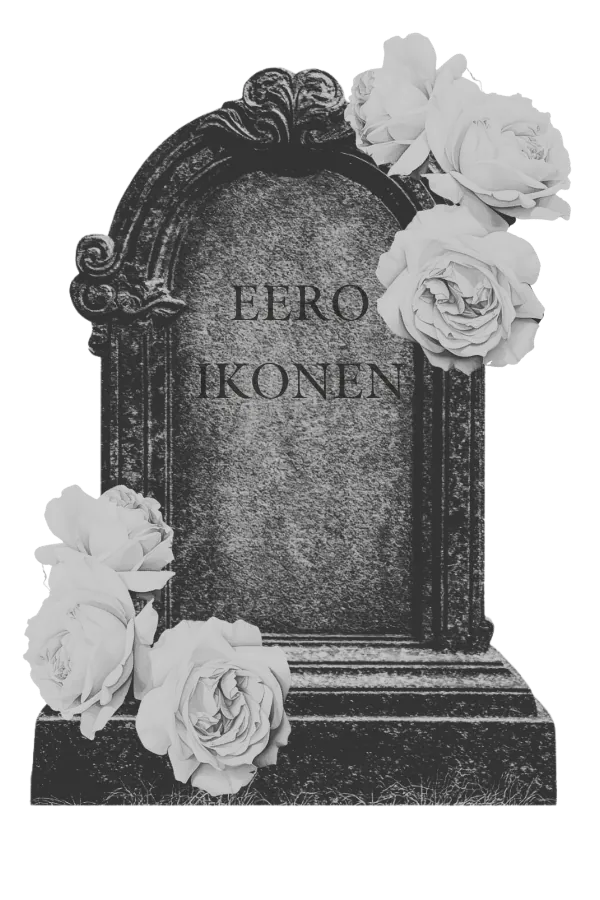 Hyvästi, isä Mid-August, 2026 - solo -the source of Kullervo's bitterness- Kullervo and his mother hold his father's funeral at the family estate. there is no ceremony nor guests, just calcified sorrow and the peonies blooming around the grave. Kullervo's mother gives him a final command: "do not miss him. honour him." Kullervo takes these words as law and buries his grief beneath duty. |
b b│ b│ b│ b│ b│ b│ b│ b│ b│ |
| │b │b │b │b │b │b │b │b │b │b |
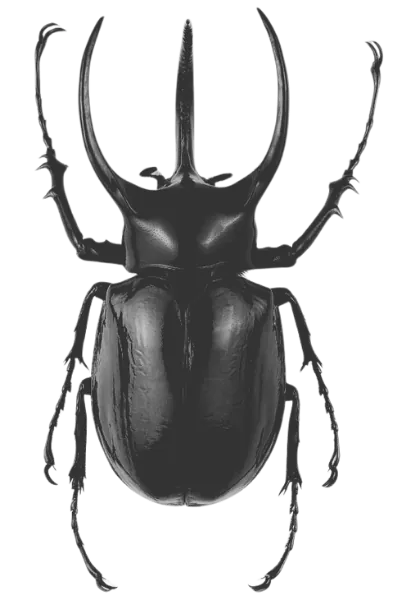 Between Bugs Septmber 1st, 2026 - Bryndís Sigurðardóttir -Kullervo's deliberate acts of cruelty- just three weeks after his father's death, Kullervo arrives at durmstrang bitter, grieving, and increasingly resentful of the expectations that come with being the Ikonen heir. already in a foul mood after receiving a letter about his responsibilities that morning, Kullervo stumbles upon an innocent girl sketching a beetle on his way to class, and takes his frustrations out on her with arrogance and contempt. |
b b│ b│ b│ b│ b│ b│ b│ b│ b│ |
| │b │b │b │b │b │b │b │b │b │b |
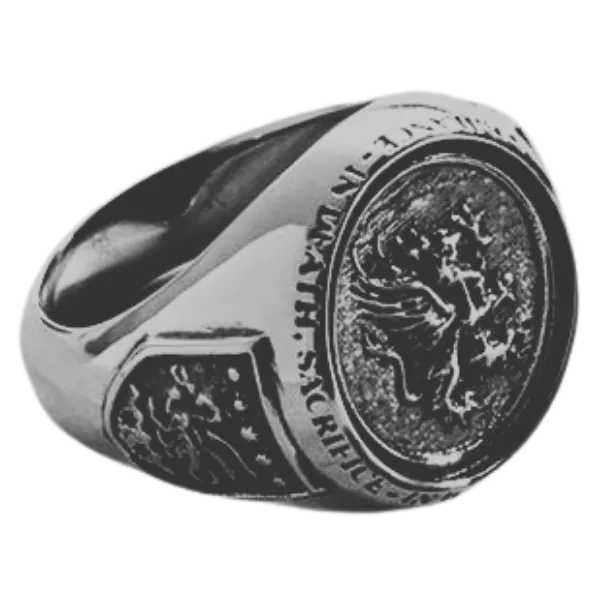 A Matter of Possession Undefined - Magnus Blackwood -another ill-met acquaintance for Kullervo- a niffler steals Kullervo's family signet ring and he meets with a boy who knows the niffler. the two are forced into a clash of personalities: Kullervo's rigid desire for control the unstoppable force, and Magnus' defiance the unmoveable object. |
b b│ b│ b│ b│ b│ b│ b│ b│ b│ |
| │b │b │b │b │b │b │b │b │b │b |
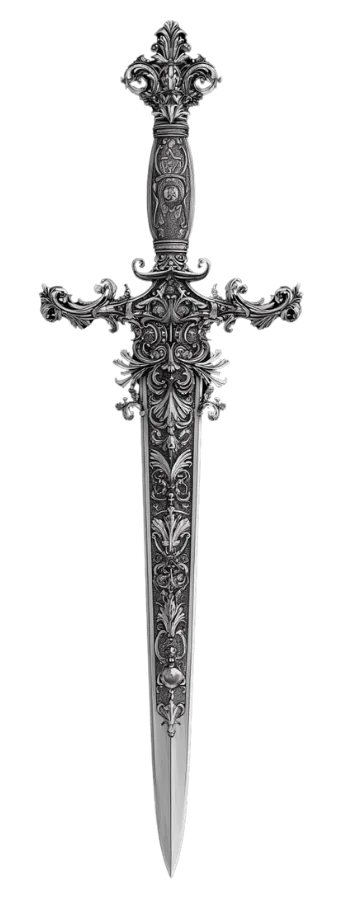 Title Here Date Here -Summary Here- Lorem ipsum dolor sit amet, consectetur adipiscing elit. Nulla mollis eros nec dolor tincidunt viverra. Curabitur nisl turpis, egestas et turpis sed, gravida volutpat mi. In porta libero lectus, et iaculis erat mollis non. Fusce ultricies orci ut neque laoreet accumsan. Vestibulum ante ipsum primis in faucibus orci luctus et ultrices posuere cubilia curae; Aenean in nisl mauris. Fusce sed nisi id magna efficitur hendrerit. Etiam tincidunt nibh est, ut porttitor arcu bibendum eu. |
b b│ b│ b│ b│ b│ b│ b│ b│ b│ |
| │b │b │b │b │b │b │b │b │b │b |
Title Here Date Here -Summary Here- Lorem ipsum dolor sit amet, consectetur adipiscing elit. Nulla mollis eros nec dolor tincidunt viverra. Curabitur nisl turpis, egestas et turpis sed, gravida volutpat mi. In porta libero lectus, et iaculis erat mollis non. Fusce ultricies orci ut neque laoreet accumsan. Vestibulum ante ipsum primis in faucibus orci luctus et ultrices posuere cubilia curae; Aenean in nisl mauris. Fusce sed nisi id magna efficitur hendrerit. Etiam tincidunt nibh est, ut porttitor arcu bibendum eu. |
b b│ b│ b│ b│ b│ b│ b│ b│ b│ |
_____________________________________
| │b │b │b │b │b │b │b │b │b │b |
 Name Here Lorem ipsum dolor sit amet, consectetur adipiscing elit. Nulla mollis eros nec dolor tincidunt viverra. Curabitur nisl turpis, egestas et turpis sed, gravida volutpat mi. In porta libero lectus, et iaculis erat mollis non. Fusce ultricies orci ut neque laoreet accumsan. Vestibulum ante ipsum primis in faucibus orci luctus et ultrices posuere cubilia curae; Aenean in nisl mauris. Fusce sed nisi id magna efficitur hendrerit. Etiam tincidunt nibh est, ut porttitor arcu bibendum eu. |
b b│ b│ b│ b│ b│ b│ b│ b│ b│ |
| │b │b │b │b │b │b │b │b │b │b |
Name Here Lorem ipsum dolor sit amet, consectetur adipiscing elit. Nulla mollis eros nec dolor tincidunt viverra. Curabitur nisl turpis, egestas et turpis sed, gravida volutpat mi. In porta libero lectus, et iaculis erat mollis non. Fusce ultricies orci ut neque laoreet accumsan. Vestibulum ante ipsum primis in faucibus orci luctus et ultrices posuere cubilia curae; Aenean in nisl mauris. Fusce sed nisi id magna efficitur hendrerit. Etiam tincidunt nibh est, ut porttitor arcu bibendum eu. |
b b│ b│ b│ b│ b│ b│ b│ b│ b│ |
| │b │b │b │b │b │b │b │b │b │b |
Name Here Lorem ipsum dolor sit amet, consectetur adipiscing elit. Nulla mollis eros nec dolor tincidunt viverra. Curabitur nisl turpis, egestas et turpis sed, gravida volutpat mi. In porta libero lectus, et iaculis erat mollis non. Fusce ultricies orci ut neque laoreet accumsan. Vestibulum ante ipsum primis in faucibus orci luctus et ultrices posuere cubilia curae; Aenean in nisl mauris. Fusce sed nisi id magna efficitur hendrerit. Etiam tincidunt nibh est, ut porttitor arcu bibendum eu. |
b b│ b│ b│ b│ b│ b│ b│ b│ b│ |
| │b │b │b │b │b │b │b │b │b │b |
Name Here Lorem ipsum dolor sit amet, consectetur adipiscing elit. Nulla mollis eros nec dolor tincidunt viverra. Curabitur nisl turpis, egestas et turpis sed, gravida volutpat mi. In porta libero lectus, et iaculis erat mollis non. Fusce ultricies orci ut neque laoreet accumsan. Vestibulum ante ipsum primis in faucibus orci luctus et ultrices posuere cubilia curae; Aenean in nisl mauris. Fusce sed nisi id magna efficitur hendrerit. Etiam tincidunt nibh est, ut porttitor arcu bibendum eu. |
b b│ b│ b│ b│ b│ b│ b│ b│ b│ |
| │b │b │b │b │b │b │b │b │b │b |
Name Here Lorem ipsum dolor sit amet, consectetur adipiscing elit. Nulla mollis eros nec dolor tincidunt viverra. Curabitur nisl turpis, egestas et turpis sed, gravida volutpat mi. In porta libero lectus, et iaculis erat mollis non. Fusce ultricies orci ut neque laoreet accumsan. Vestibulum ante ipsum primis in faucibus orci luctus et ultrices posuere cubilia curae; Aenean in nisl mauris. Fusce sed nisi id magna efficitur hendrerit. Etiam tincidunt nibh est, ut porttitor arcu bibendum eu. |
b b│ b│ b│ b│ b│ b│ b│ b│ b│ |
_____________________________________
| │b │b │b │b │b │b │b │b │b │b |
Eero Ikonen 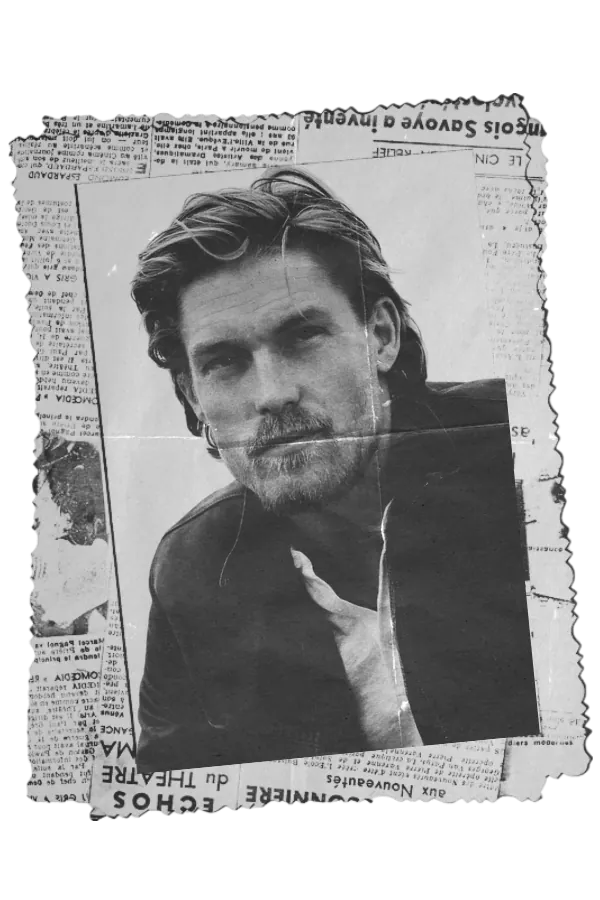 -father- deceased Lorem ipsum dolor sit amet, consectetur adipiscing elit. Mauris facilisis, est eget tincidunt interdum, odio turpis dapibus purus, id consectetur ante orci ac urna. Nulla facilisi. Sed dolor purus, bibendum eu nisi a, tristique luctus neque. Proin felis ligula, porta ut dui et, elementum dictum odio. Proin non blandit nunc. Integer laoreet nisi vitae bibendum egestas. |
hello | Ainikki Ikonen 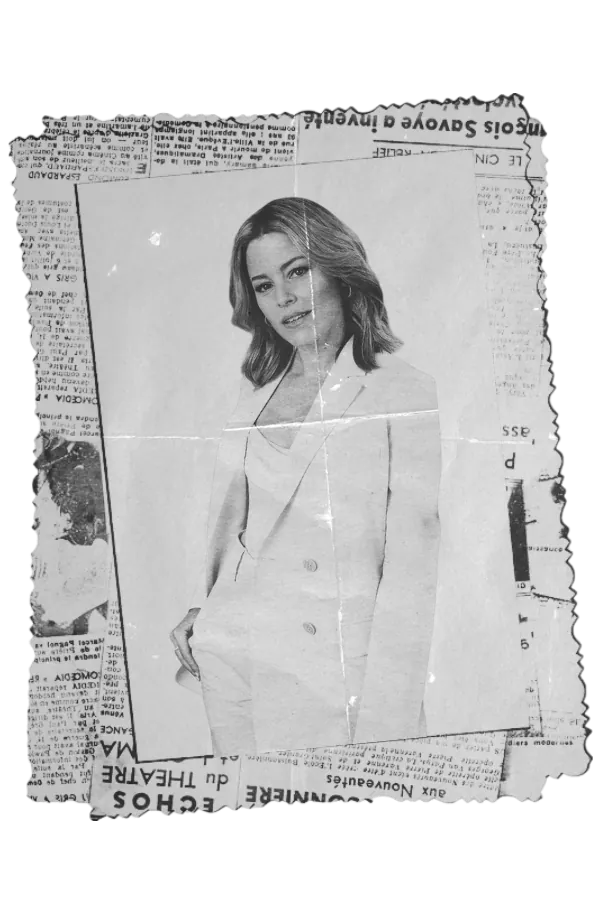 -mother- alive Lorem ipsum dolor sit amet, consectetur adipiscing elit. Mauris facilisis, est eget tincidunt interdum, odio turpis dapibus purus, id consectetur ante orci ac urna. Nulla facilisi. Sed dolor purus, bibendum eu nisi a, tristique luctus neque. Proin felis ligula, porta ut dui et, elementum dictum odio. Proin non blandit nunc. Integer laoreet nisi vitae bibendum egestas. |
hello | Tapio Ikonen 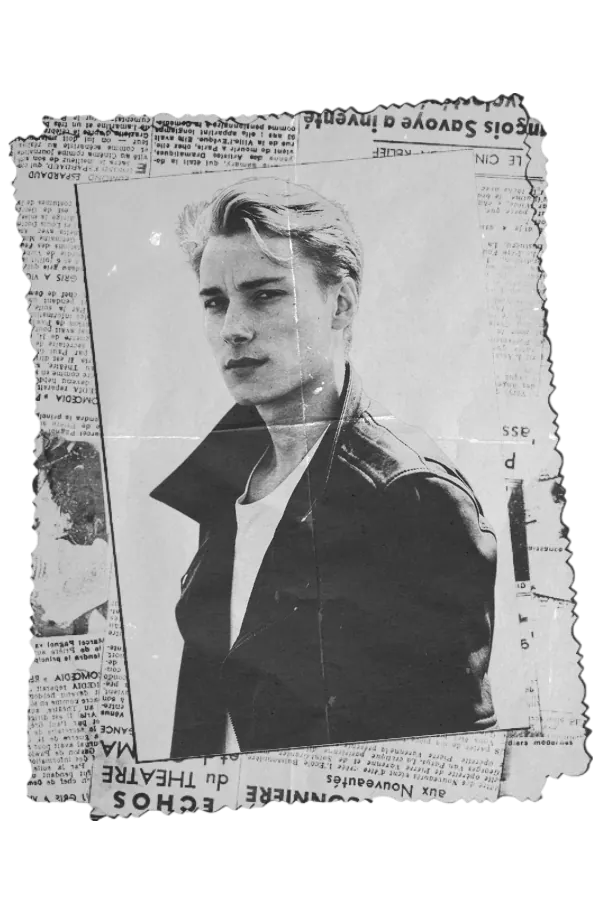 -older brother- disowned, unknown Lorem ipsum dolor sit amet, consectetur adipiscing elit. Mauris facilisis, est eget tincidunt interdum, odio turpis dapibus purus, id consectetur ante orci ac urna. Nulla facilisi. Sed dolor purus, bibendum eu nisi a, tristique luctus neque. Proin felis ligula, porta ut dui et, elementum dictum odio. Proin non blandit nunc. Integer laoreet nisi vitae bibendum egestas.
|
b b│ b│ b│ b│ b│ b│ b│ b│ b│ |
Last edited by Kullervo Ikonen on 9 Sep 2026, 10:22, edited 2 times in total.
kullervo ikonen | first year | durmstrang
graphics |
_____________________________________
| │b │b │b │b │b │b │b │b │b │b |
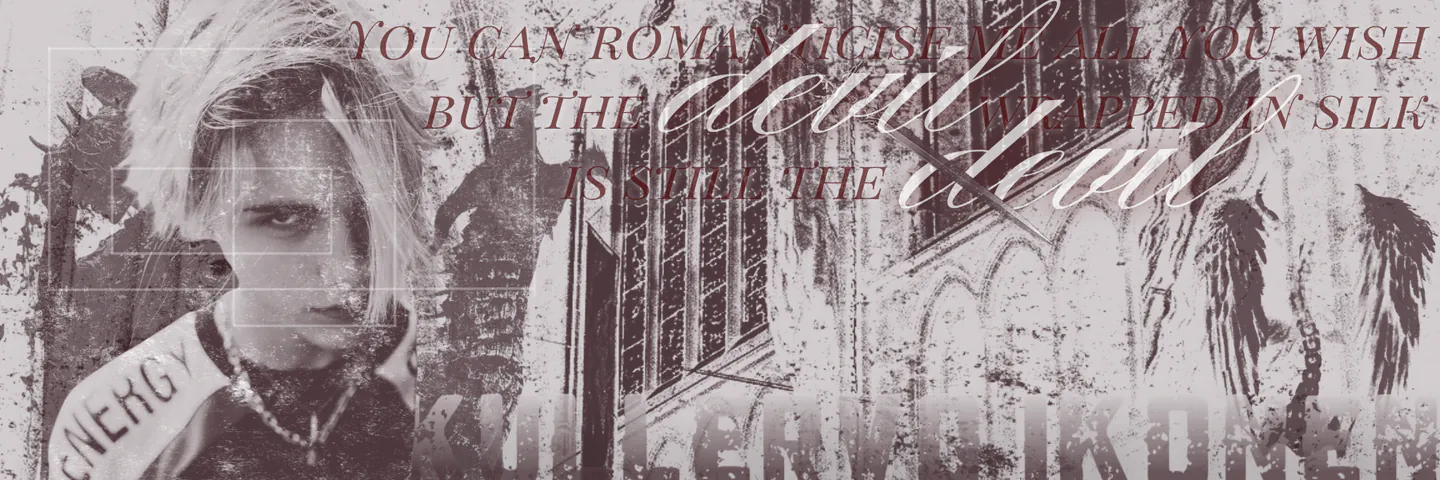 made by me 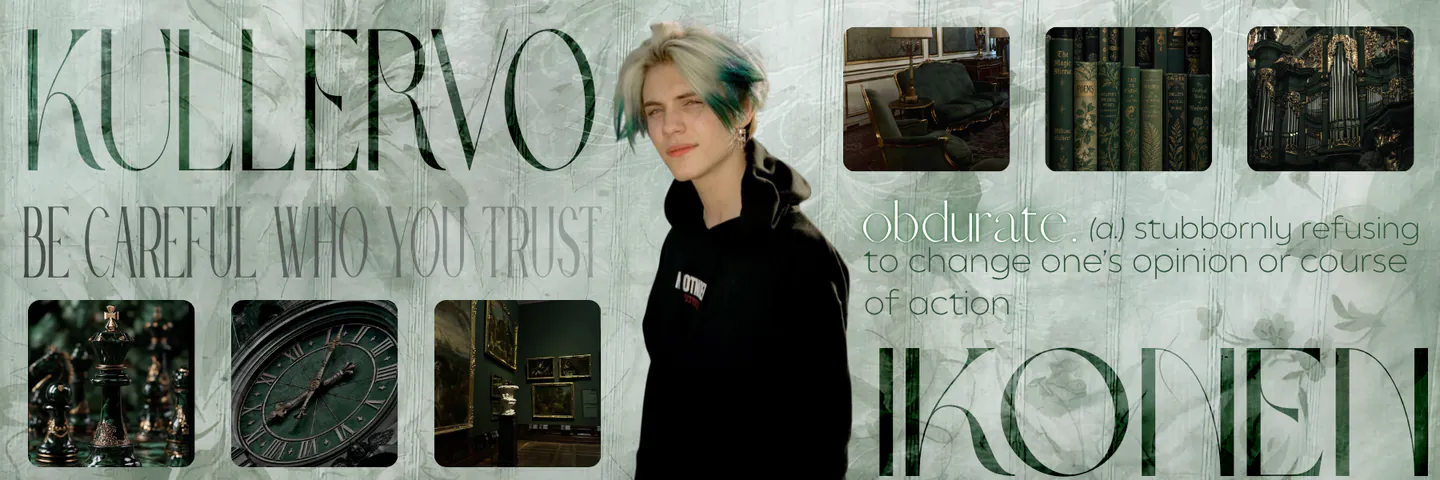 made by julia evans  made by julia evans  made by fawkes chaos  made by ophelia vanderbilt  made by ophelia vanderbilt  made by chatt auclair  made by lily clarke 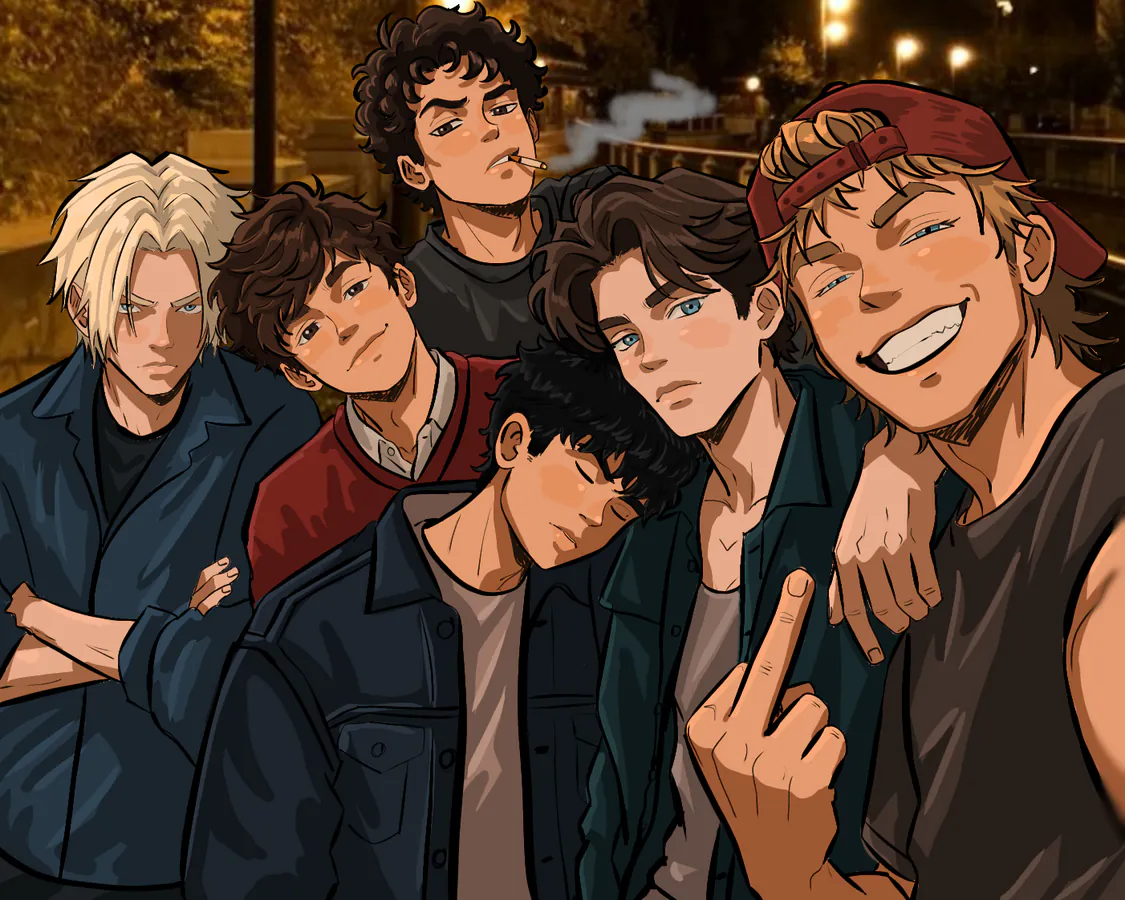 drawn by me 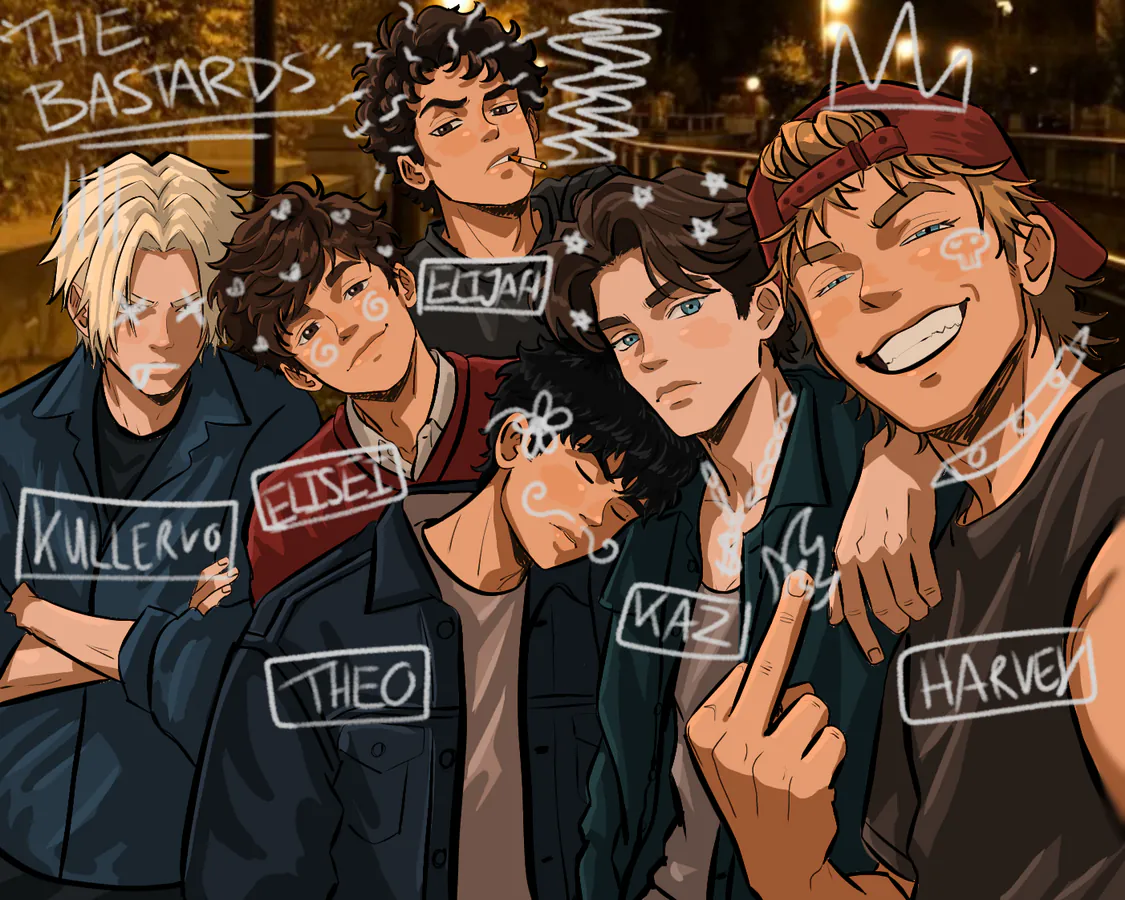 drawn by me 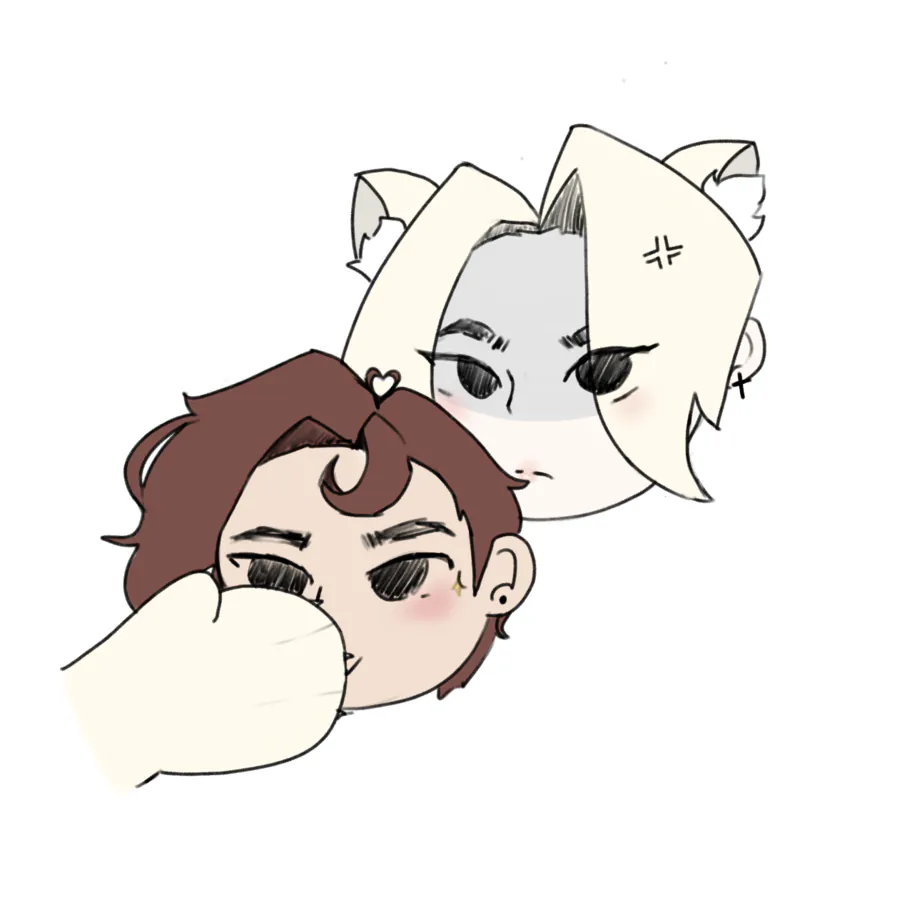 drawn by corrine aelina 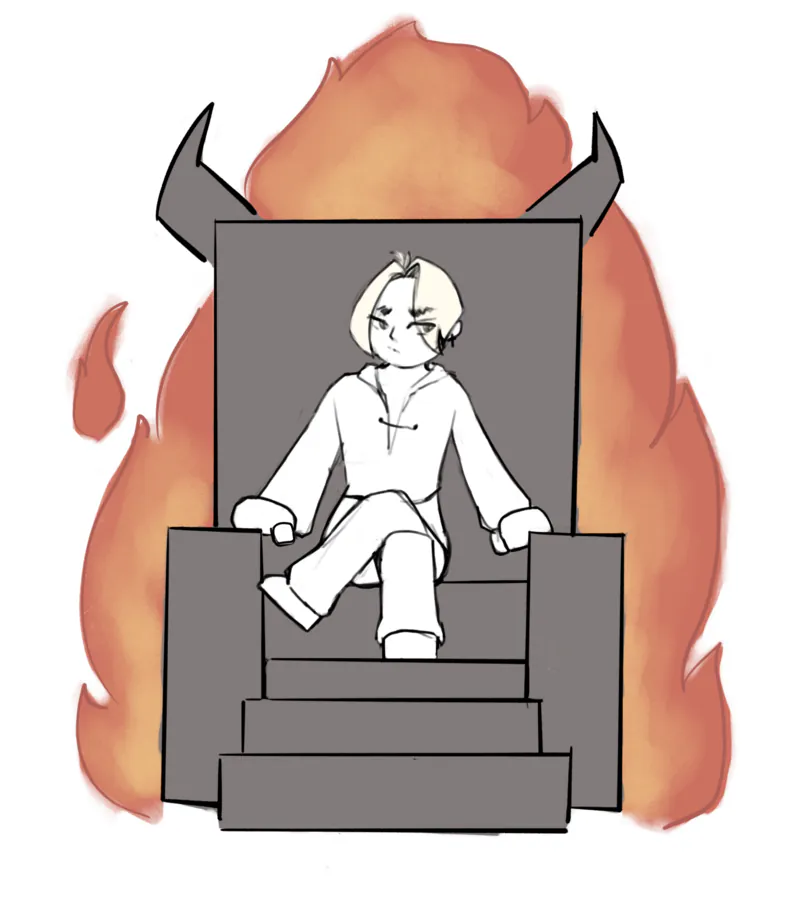 drawn by corrine aelina 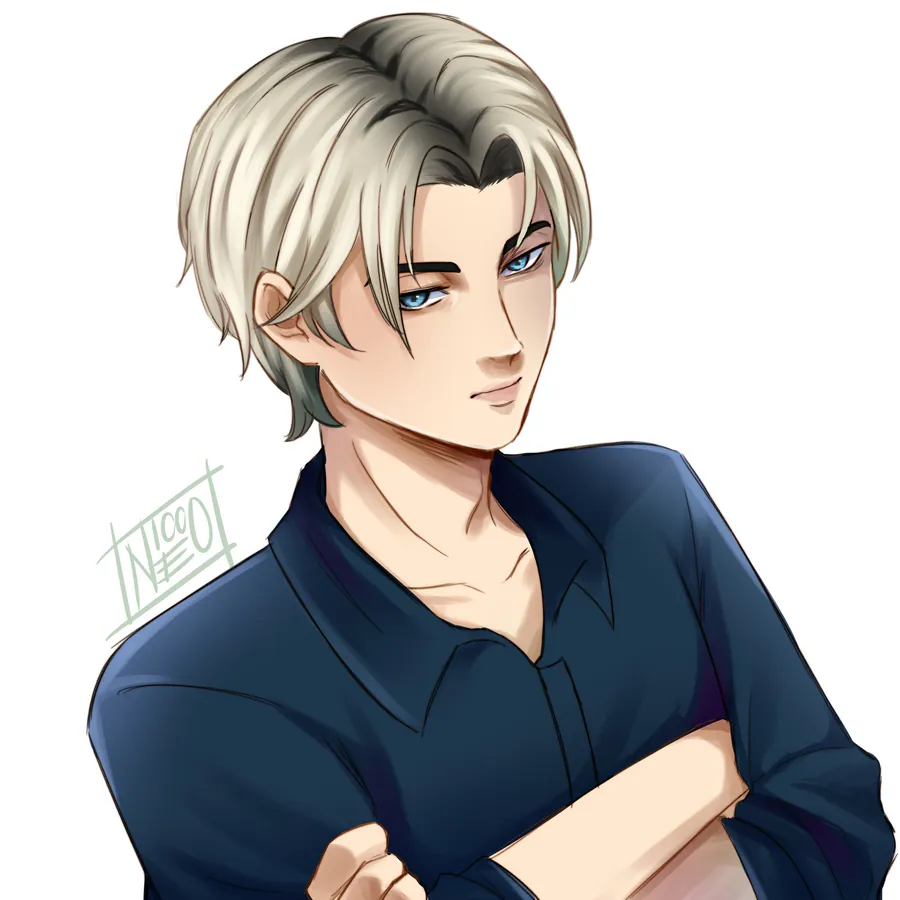 drawn by colette sanchez |
b b│ b│ b│ b│ b│ b│ b│ b│ b│ |