
The Grounds

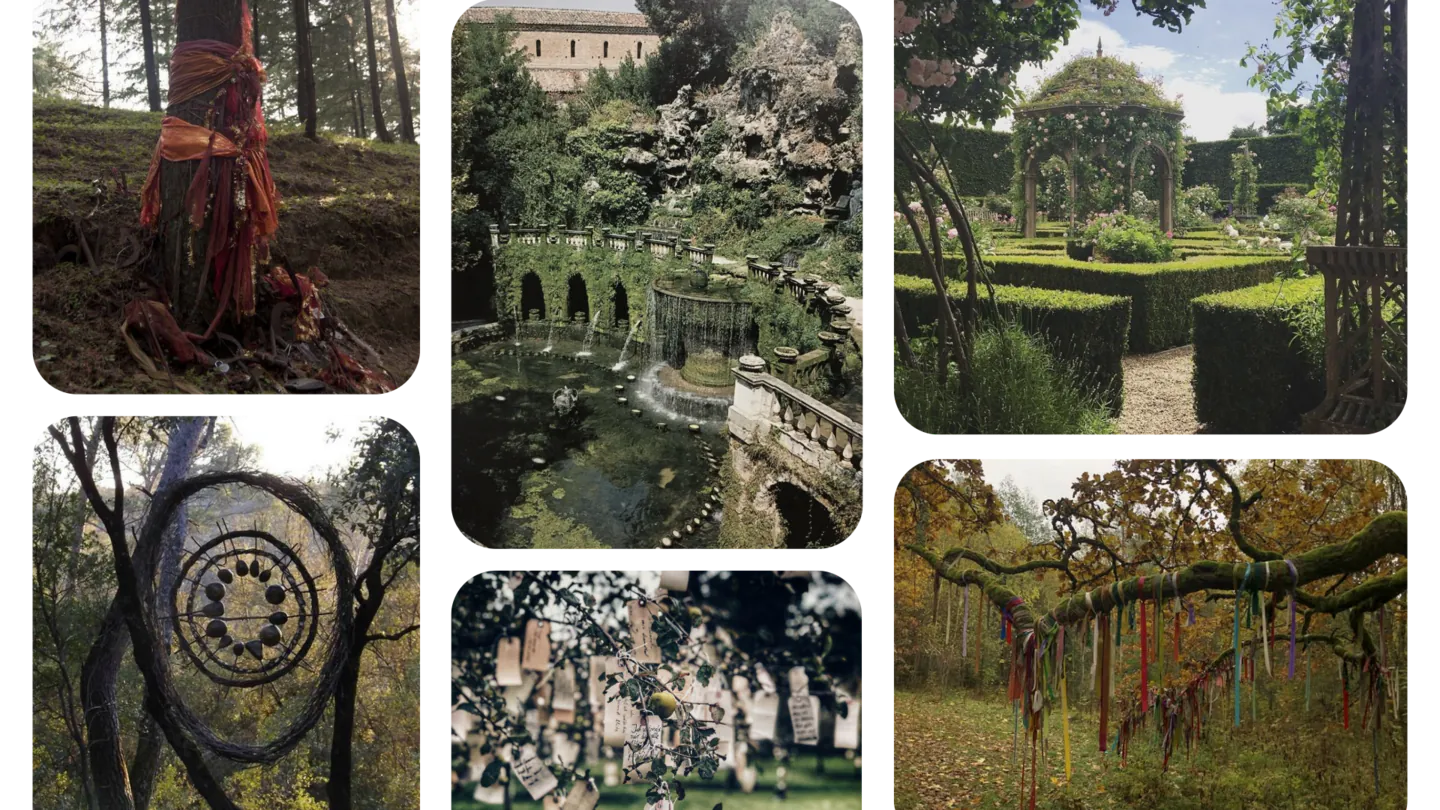
SNAKEWOOD GROVE
At the heart of the school in a garden quad nestled amongst buildings, the Snakewood Grove is a spacious oasis of greenery that holds some of Ilvermorny’s greatest stories. Legend has it that in her battle against Gormlaith Gaunt, Isolt Sayre buried her trusted wand at the centre of the gardens. The wand had once belonged to her mother, and eons before her, to Salazar Slytherin himself. From this wand, grew a spectacular Snakewood tree with potent magical properties. Its roots permeate the mountain itself, appearing interlaced with the bricks of the castle and even amongst the forest paths. They guide students home when lost, often surrounded by blossoming mayflower bushes, regardless of the season. Students warn newcomers of magical anomalies that occur in the presence of these ancient roots, from subduing or increasing magical outputs, to murmurs of voices from the past. Given the schools lack of ghosts and poltergeists, many conclude that it must be the tree playing tricks on its neighbours.
Beside this tree also stands the headstones of Isolt and James, laid to rest within the school they loved so dearly. Every year on the anniversary of her death and the creation of Ilvermorny there is a tradition of placing mayflowers on her final resting place, as well as decorating the enormous statues that greet you at the school’s front door. In fact, the tree itself is often seen decorated with multicoloured ribbons, crystals and scarves, hanging herbs and parchment paper with wishes inscribed upon them. Wind chimes and empty glass bottles dangle from its boughs, creating music and spots of colourful light when the elements hit them just right. It is believed that offerings to the tree will bring students good fortune for the coming year – a method of setting their intentions and welcoming goodness into their lives. First-year students are often led to the tree on their very first day to write their wishes for their time at Ilvermorny; many ask for close friends, academic success and fun, and often return at Graduation to retrieve their wishes, feeling fulfilled.
The garden surrounding the tree is, of course, as magnificent as its primary feature. Students, staff and Pukwudgies alike tend to the gardens in their free time, with benches, blankets and shade for recreational activities. Students sunbathing and throwing frisbees around was a common sight in the summery months, and in the winter, the place becomes coated in a delicate layer of snow, quickly disturbed by snowball tournaments and snowpeople. To the east-side of the quad, there is also an ornate stone water fountain, engraved with creatures of the forest and ancient warding symbols. In its depths, you can see iron Sprink coins covering the mosaics below.
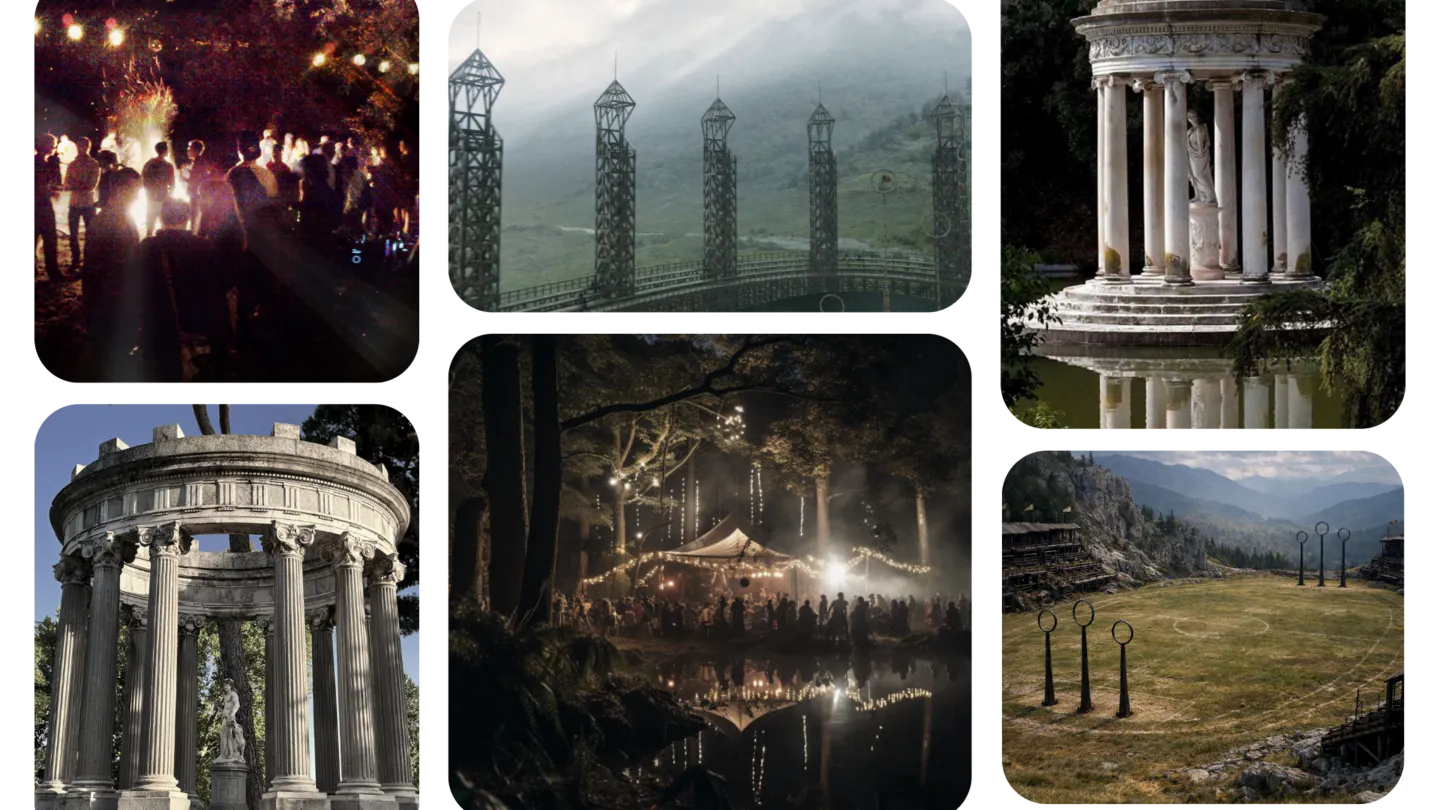
SPORTS PITCHES, BONFIRE GROUNDS & PAVILLION
Sports at Ilvermorny are vastly popular, with over half of the student population being involved or heavily invested in its teams and sports season. With such a riveting culture around competition, it is only natural that the school is home to some fearsome sports grounds. The majority of this greenspace can be found behind the castle. Easily, the two most popular sports are Quodpot and Quidditch, with two dedicated fields and spectating tents for each. These tents are 50ft high with tiered seating, making them ideal for keeping an eye on fleeting players on their broomsticks. Each tent has various viewing telescopes and are decorated in Ilvermorny’s signature red, blue and gold. Since the 1960s saw the repeal of Rappaport’s Law, Ilvermorny has also made a conscious effort to embrace No-Maj sporting culture. Though not nearly as big as the broom-sports pitches, students make frequent use of the school’s newer American football, basketball, baseball and ice hockey pitches (kept cool and frozen with Glacius charms).
Beside the sports grounds, is a beautifully ornate pavilion, where bands often play triumphant music at half-time. The pavilion also sees a lot of use across seasons for outdoor brunches and tea. Charmed to resist cold, wet and snowy weather, it remains cosy regardless of the elements. It also makes a wonderful spot to view the wildlife of the school nattering away.
Found beside this enormous green area, amongst a thicket of trees are the school’s bonfire grounds. Accompanied by the Minodeye Creek running past, this area features a large tent canopy and a bonfire pit. Decorated with fairy lights and fireflies, the tent features numerous pillows and beanbags for students to relax outside in the shade, while the bonfire pit is surrounded by benches in circled rows around it. Ilvermorny hosts termly bonfires here in the middle of the term, encouraging students and staff of all ages and all house denominations to sing, eat and chat. Pukwudgies particularly enjoy the opportunity to scare young students with faux ghost stories and cook delectable cuisines from the attendees’ home countries. Each bonfire ends with students, some eager and some more grudgingly, singing the school’s song, ‘O Ilvermorny Massachusetts’.
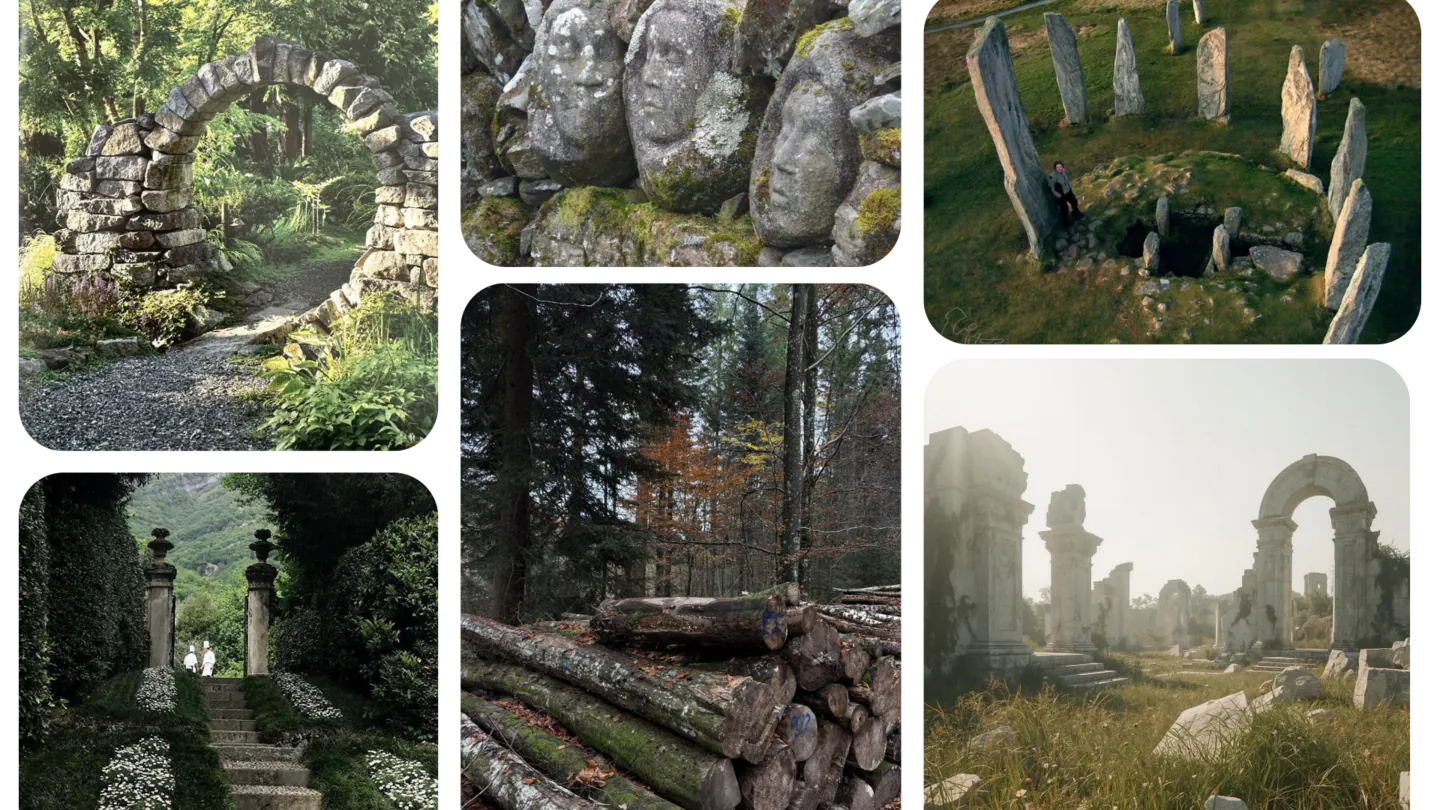
STONE & TIMBER YARD & DUELLING HENGE
Another sweet relic of James and Isolt's influence on the school, behind the castle you will find what was once James Sayre's stone-yard. Decorated with stone arches and cascading stairs, the area is used primarily for duelling. The ancient rocks have been rearranged into a narrow piste, surrounded by towering formations of rock, reminiscent of Stone Henge. Faint reminders of age old battles can be seen on the rocks' surface in the form of burn marks and gouges. When not being used as a stage for contests, the yard is often utilised to chop timber and collect materials for the Wand Forge.
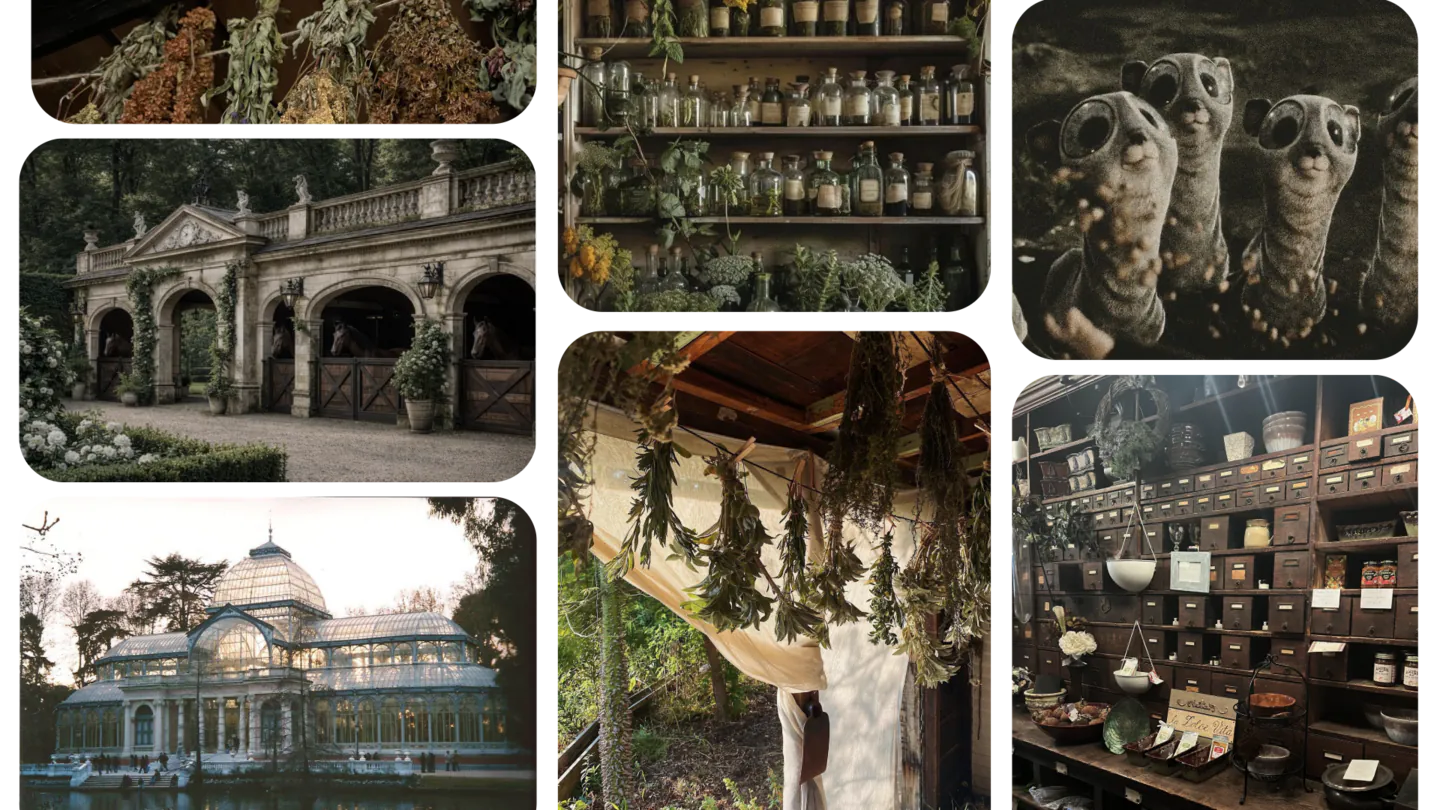
GREENHOUSE, STABLES & APOTHECARY
Ilvermorny prides itself on encouraging students to self-govern and help the school to run itself. Along with general chores, such as maintaining common areas and bedrooms, the students enjoy the duty of caring for the outdoor facilities. The oldest example of this tradition is the school's greenhouses and apothecary. When Ilvermorny's founders travelled from Europe and settled in Massachusetts, they established their own shops and resources from scratch. The towering greenhouses reflect the necessity for growing enough magical plants and herbs to sustain the entire school population. Students maintain the Potions and Infirmary stocks by harvesting these plants, also setting up a student-led apothecary, affectionately dubbed 'The Gordian Garden'. While meant to function as a real store, collecting money towards much-needed equipment and maintenance, it runs on a bartering system; some are known to trade favours in exchange for materials.
Beside the greenhouses, tucked away from the hubbub of the main school buildings, you will find the stables. North American is home to a slew of unique magical creatures, many of which feature as powerful cores to the wands made on site. The stable has some permanent residents, particularly creatures such as thestrals and pegasi needed to draw carriages, but it often functions more as a vet's office for creatures passing through. Students undertaking the Ecology Apprenticeship work as forest rangers part-time, caring for sick or injured creatures whenever they stumble close to the borders of the castle. Building a good rapport and trust with these beasts goes a long way, as their fur, claws or feathers can be used at the Wand Forge, freely given in a humane manner.
WAWATESI FOREST
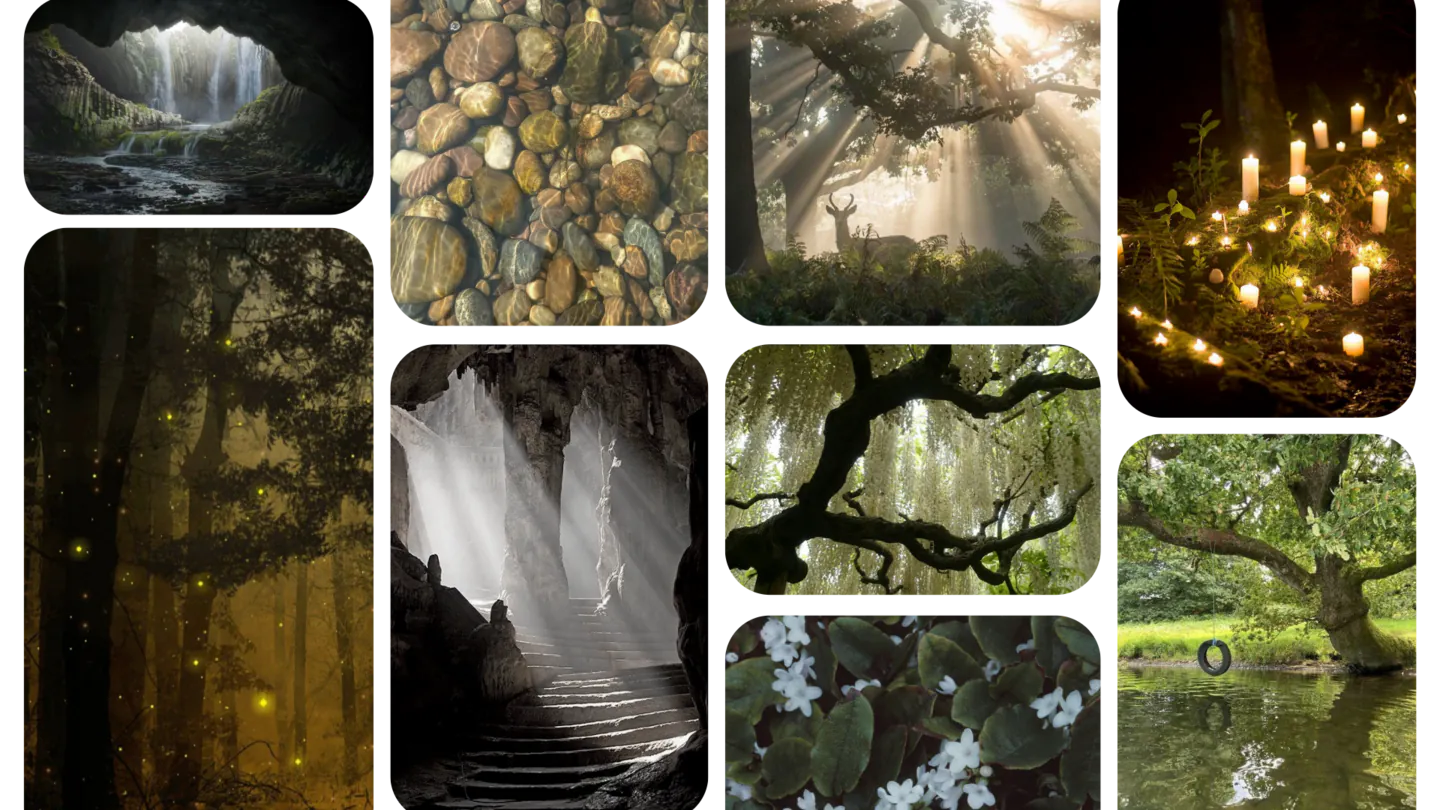
This dense boreal forest swallows the castle and its grounds, casting a blanket over most of the mountainside. The Wawatesi* Forest is home to a fearsome array of mundane and magical creatures, from wolves, lynxes and caribou to Hidebehinds, Snallygasters and Wampus Cats. Students are advised not to roam freely in the forest without sufficient magical knowledge or a forest ranger apprentice with them, but it is part of the school's philosophy that Ilvermornians should live symbiotically with the forest. The forest itself seems to appreciate this and, despite its cold, dark aura, offers protection to young witches and wizards. Fireflies, snakewood roots and mayflowers lead lost children back to the school grounds, while trees seem to move on their own accord, concealing students from danger. Whispers are often heard on the wind of old lullabies or soothing voices when sensing distress. Sprigs of herbs believed to have protective qualities, such as rosemary, emerge from the ground as if they had been there all along. Of course, don't mistake the forest's kindness for weakness; locals warn against pursuing shadows or mysteries deep amidst the boughs of the woods, as you will be sure to find something you'll wish you hadn't.
*Waawaatesi - Algonquian word for "Firefly"
MINODEYE "SWEETHEARTS" CREEK
An old Appalachian wives' tale states that spirits cannot cross over moving bodies of water. Conveniently, the Minodeye** creek runs around the castle grounds, a large oxbow forming something of a protective barrier. The creek over time has garnered a rather romantic reputation, as students spend hot summer days playing in the shallow waters. Tire swings and stepping stones decorate the creek, with carvings of initials blessing the trees nearby and love-locks left on low-hanging branches. If you want to confess your feelings, or simply spend some quality time with your dearest friends, escape the confines of the school grounds and take a dip.
**Minodeye - Algonquian word for "Benevolent/Good-natured"
MEEKHCHAUK CAVERNS
Before the days of Ilvermorny's birth, werewolves were elusive beasts that roamed free across the forest areas of Mount Greylock. They lived independently, unbothered though feared by native tribes that inhabited those same woodland areas. Treated as simply a part of the natural order of the mountain, indigenous communities kept close ranks and forbade werewolves from entering their towns, but altogether coexisted peacefully. As the first colonies settled in Massachusetts and made their way up the mountainside, they brought new Age ideals and culture. With them, so too came Europe's fear and disdain for werewolves, treating them as infectious, savage beings and culling their populations to make way for wizarding towns.
Over time, these ideals waned in popularity, being deemed barbaric under the modern light of day. While werewolves in their beast forms became fearsome and deadly, with little memory or understanding of right and wrong, their human forms remained innocent victims to their condition. In the late 70s, werewolf students began to be admitted to Ilvermorny, with the supervised usage of the Wolfsbane Potion. Then, werewolves were allowed to run free across the mountainside during their transformations, though this quickly proved dangerous for local communities, the mountain's ecosystem and the staff and students of Ilvermorny. With the influx of students, the number of werewolves across the mountain increased dramatically from near zero, to over a handful - a small difference with huge ramifications.
A solution was soon found with the uncovering of an elaborate cavern system beneath the mountains. Once closely guarded and hidden by local townsfolk to preserve the mountain's natural history, the school and its neighbours reached an agreement that the caverns should be utilised to protect these young werewolves and the people around them. Protection wards and enchantments were placed on the caves to both hide them from the eyes of No-Majs and protect the students that would reside there during the full moons.
These caverns, known as Meekhchauk*** Caverns, are a large system, which gives the students plenty of room to roam and have their own space while they undergo transformation. The network is extensive, but completely protected by runes and wards that are described to have an analgesic effect on the transforming students; by subduing the reckless nature of young werewolves, this prevents students from injuring themselves or other werewolves during full moons. Some note it also helps them sleep through their transformations. A clear stream runs through the main cave along with springs and various underground lakes, fit for bathing after long nights spent here. Moonlight bleeds into the caverns through skylights and holes in the walls. There are five known entrances to the caverns with differing accessibility for students' needs, allowing the wolf pups to get a taste of fresh air and light. However they cannot go far past the mouths of the caves due to the protective perimeter which repel them, a bit like a bouncy castle. Students are welcome to bring items for comfort, such as blankets and pillows, but there are food, drinks, blankets, extra clothes, and other such items stored in alcoves throughout the caves. They are also excused from class for the next day, should the full moon fall on a school day - catch-up sessions are organised by professors and student tutors if needed!
On full moon nights, at least two staff escort the students to the caves shortly before sundown, whenever that may fall, where they then give students their Wolfsbane doses. Once everyone is in the caves and accounted for, a staff member will activate the perimeter, which they will also deactivate the following morning before escorting students back. This perimeter covers all exits and ensures none of the transformed students can return to the school for the duration of their transformation, should things go awry.
Since the development of the Nightroot Elixir, the Potions staff at the school keep an ample supply, should anything go wrong. Vials are safely stored and hidden at access points to the caverns and staff leading students to the caves should also have some on their person, along with a first-aid kit. Proper werewolf treatment and care are a key part of the Ilvermorny Defence Against the Dark Arts and Potions course, with a special field day to the caverns during the daytime. Reflecting their less accepting past, this trip is accompanied with lessons on the history of werewolves in America and how to be respectful of peers and friends who might have the condition.
***Meekhchauk - Mohican word for "Wolf"
Lore and graphics by Arkady Piecyk/Valour Argentum