
Koldovstoretz
Jump to: Founders - History - Alumni - Education - Sports - Trees/Groves - Professors - Recruiters - Grounds - Yurts
Dining - Class Locations - Maps - Fellowships - Shopping - Werewolves - Uniforms
Founders: (left to right above)
- Arkadiy Medvedev (1876 - 1942)
- Baba Marta (1902 - 1984)
- Evgeniya Ignatova (1920 - 2024)
- Balachkov (unknown - ±1950)
Koldovstoretz traces back its origin in the actions of four individuals. When Stalin started pushing his agenda in the 1920’s, folklore and magic were considered remnants of an old Russia that supported Tsarist traditions. As a result, wix were forced into a far stricter lifestyle of hiding their supernatural interests and knowledge from the government institutions. In their predicament, children that showed magical affinity were no longer able to be sent on the open road towards the various communities of wizards and witches living further into the eastern part of the country. Travelling from city to city, a sixteen-year-old novice named Evgeniya Ignatova and her compatriot, a half-giant by the name of Balachkov, would attempt to gather as many children and adolescent magic users they could. They were sent on request of a motherly figurehead of the Ket people known only as Baba Marta, a witch that lived on the plains beyond the Ural mountain range. The fourth member, Arkadiy “The Bear” Medvedev, served as both guide and protector to her and her students. He was an ex-spy within the communist party on the run.
In their opposition both publicly and in secret, the four of them worked together under one singular purpose: to create a safe haven for Russian magical children to be able to learn about and grow their magical affinities. Throughout the late 1930s, they managed to set up a network that spanned the western part of the Soviet Union. While they still held contact with their eastern brothers and sisters, they were forced to leave them mostly to their own devices. Without any proper funds and open support, there were heavy limitations on how successful the four could execute their missions and hold their classes through the years. Due to a rivalry between their conservatory and the Durmstrang Institute, a more remote and well-funded school up north, they were left with a much poorer demographic.
In their later years, the four were never able to escape the conflicts they met with their established government in Muggle society. With Stalin’s Union of Writers making sure that more and more common folk got disillusioned by Russian folklore, there was less interest from parents leaving their children in the hands of strangers. In one attack in 1942, one caravan of children was even discovered and followed to the conservatory by Stalin’s investigators. The Bear lost his life whilst helping a handful of the children escape. Baba Marta led the survivors in relocating the school, now formally acknowledged under the name of the Koldovstoretz Conservatory, and became its first Headmistress. Evgeniya, on the other hand, stepped up and became a public figure, openly opposing Russia’s government policies and even organizing coordinated protests. Balachkov remained by her side until his capture in 1949, when all traces of his existence vanished after his transportation to an unknown labour camp.
Out of the four founders, Evgeniya lived the longest, at least to public knowledge. Though she tempered her actions, the fire of passion still burned within her now-frail body. After teaching for some time at Koldovstoretz in a final support to the elderly Marta, she decided it was time for retirement after the latter’s timely passing in 1984. Lady Ignatova was a familiar name to any respectable diplomat serving a magical community, as she frequented committees concerning Magical Education; however, Lady Ignatova passed in 2024.

Magic has soared through the lands of Russia since the beginning of time. Those who could obtain its magic lived freely. While keeping their magic away from маглы (magly = muggles), there was a balance between the two societies without much realization. As time progressed, маглы had begun to see things that they should not have and began to write different magical ideas to make sense of it all called folklore.
Children, when encountered with their first instance of accidental magic, would travel alongside in a pack to various teachers that hugged the Western hemisphere of Russia. Learning was often separated by gender where girls would learn the ways of the Vedma-- powerful female traditions-- and the boys would learn the ways of the Vedmak-- powerful male traditions. Later, as the school evolved with the world, the two groups were merged into one to avoid separation.
As traditions strengthened, маглы started to sense that there were other folk who were doing things out of the ordinary. Over time, there were two schools of thought when it came to magic among the маглы: the first was an artistic approach through storytelling and poetry (formalist) and the other was merely about legends that swept the Eastern European lands (Finnish). маглы of all types fed into both types of thought. Those of magic were not too keen on маглы focusing on their lives, not knowing the real truth of who they are, however, they were thankful that it was primarily a positive outlook.
Then came 1928, with Joseph Stalin and the rise of the Soviet Union. Within Stalin’s plan, he banned any study of folklore. Unbeknownst of the magical folk that lived among маглы, Stalin had created a fairly toxic environment to those who believe and who are magic. To go further, Stalin had created a group of government soldiers called the Russian Association of Proletarian Writers (RAPP) to censor, destroy and remove all folklore and faerie tales from bookshelves and in homes. Their initiative was to focus primarily on the science and nature of the world rather than its magic. In 1932, their title changed to Union of Soviet Writers as their intensity of censoring, removing and destroying such subjects increased.
To keep themselves safe, some witches and wizards stripped themselves of their magical belongings, living their lives as маглы. However, there were many that kept practicing their magic in secret, hoping not to get themselves caught by ongoing security checks. There was no way for children to travel in packs like they used to. Everything came to a riming halt.
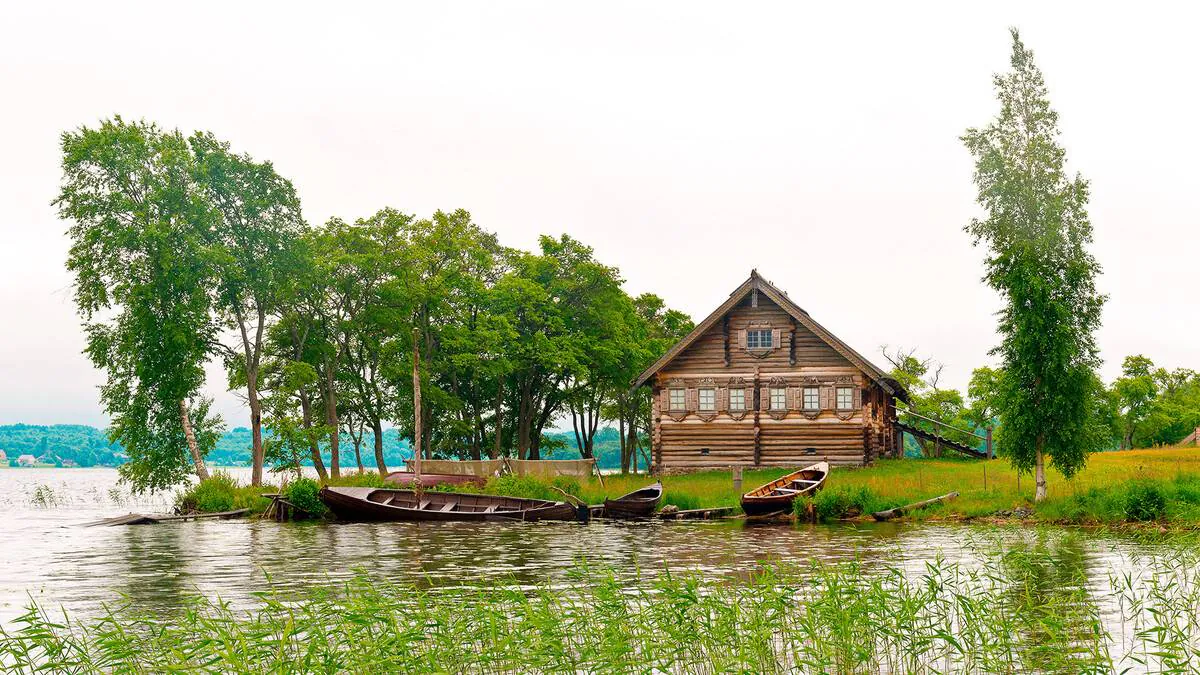
An action had to be taken. Baba Marta, Evgeniya Ignatova, Arkadiy "The Bear" Medvedev, and the part-giant Balachkov rebelled against the norm and changed their traditions of magic. In 1934, the four of them opened a secret school on one of the islands in Lake Onega, creating a safe haven for all magical children. Muggle travellers were bewitched to travel around the island whilst leaving the other smaller islands alone.
The Koldovstoretz School did not just take children who were of age, but rather children who displayed any first instance of magic at any age. It became more or less a school that fostered and boarded children of all ages (ranging from infant to teenager) safely away from the маглы society. The school not only hired specialists to help with the development of different ages, but they also brought about all the Vedma and Vedmak who lived alongside the Western Russian border. They were to help those of age harness their powers and enhance their abilities as mentors in the rebellion.
Many prayed and hoped that this new and inspiring way of teaching will lead the path for the next generation of magic.
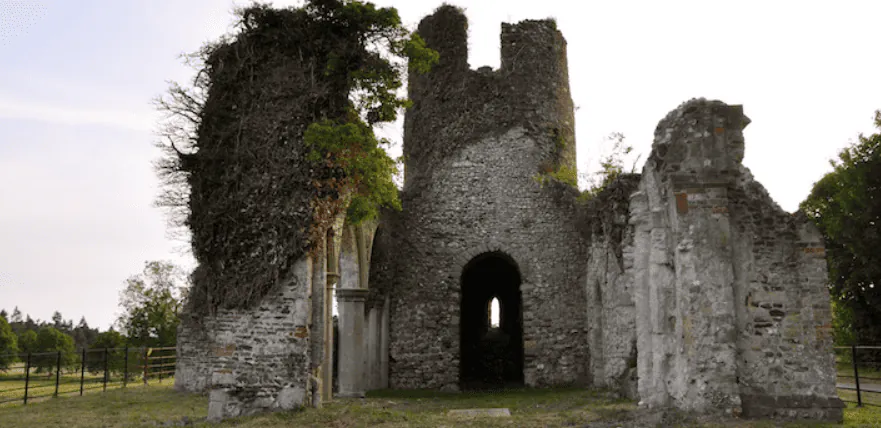
However, their hopes were dashed after only eight years. In the year 1942, the conservatory came to be under attack after a newly arrived group had led its attackers to the village, via Portkey. Medvedev lost his life in the line of defence and the church was torn down at once by the government persecutors, with only a ruin of the old tower remaining. Though the remaining three founders managed to fight off their attackers and protect the majority of their students, it was clear that their safe haven was no longer the refuge they had once believed it to be. Having grown up on the banks of the Yenisei River in central Russia, Baba Marta was also of the mind that their westernmost network was unfairly difficult to access for those students who lived in a more easterly fashion, and she gathered up the student body, her fellow surviving founders, and even the very foundations and bricks of the school itself and moved everything back to her homeland, rebuilding the school brick by brick on an unnamed lake near the center of the Yenisei, in the thick of the surrounding mountains. Taking a leaf from the books of other schools, the three remaining founders made the lake Unplottable and charmed against маглы, and even to this day it is unable to be found on non-magical and magical maps alike; маглы who attempt to follow the Yenisei's many offshoots to this lake or come across it on foot will find themselves wandering into one of many small non-magical towns nearby, which gives the area a bit of a fearful rumour amongst locals, similar to that of the Bermuda Triangle.
To honour their fallen comrade Medvedev and keep a reminder of the danger of being found out by the маглы community, and thus the importance of caution when travelling to and from the school, the lake was named Lake медведь (Medved'), translating to Lake Bear. Since relocating to Lake Bear, no further attacks by маглы have occurred, and Koldovstoretz's location remains both Unplottable and safe.


Historical Education (up until 1991):ReducioEducation prior to 1928:
Magical children who reached of age (11 years old) travelled in packs of ten with a designated magical mentor to the Ural mountains, where they learned some basics of protective and assertive magic. However, when they reached their destination, they were separated by gender and learned from strong Vedmak (wizards) and Vedma (witches). Their skill was primarily on traditional magic that takes on the force of nature.
Education during 1928-1991:
In 1928, the rise of the Soviet Union shifted the magical realm in Russia unexpectedly. Joseph Stalin banned the study of folktale, which made magical folk that lived among маглы to be a part of a toxic environment. Later, there was an initiative to focus Russia on the science and nature of the world rather than on its magic through a group of government soldiers called Russian Association of Proletarian Writers (RAPP) or later named the Union of Soviet Writers.
Magical folk were fearful of their children as their ability to control their magic was limited. It was unknown whether or not their children’s magic would surface in front of other маглы and knowing how other маглы would react, they kept to themselves, preventing their children from learning magic as they did not want them to be found and executed on their way to the Ural mountains.
The more families prevented their children from learning magic, the smaller a new generation there became. It wasn’t until 1934 that four founders put together a school and new educational system to help magical children in Russia to safely and productively learn magic. They did not wait, however, until children were of age. They accepted all students who surfaced their magic into the school, ranging from infant to teenager. While there were some families that did not want to part with their loved ones (especially children at such a young age), there were many that sacrificed their want for an intact family and brought their children to the Koldovstoretz School. Eventually, through the use of portkeys, the threat of persecution was significantly decreased save for one major incident in 1942, after which Koldovstoretz relocated to its current location near the Yenisei River, in and around Lake Bear.
Due to the various ages that the school held, they were not put together by how old they were but rather by their skill. This resulted in groups in ages that were mixed. Children were accepted into the school throughout the academic year and placed into the various groups, some of which separated by gender to learn; though they are now all co-ed, these groups have survived into the modern day (see below).
Education after 1991/Modern Education:
At the fall of the Soviet Union, there was discussion of whether or not to close the school and remain back to how Russian magic was taught in traditional times. However, with over 60 years established, the Koldovstoretz Conservatory remained open and stays that way to this day. Additionally, since the school now accepted students from many states that were mostly once part of the Soviet Union, they also began to broaden their borders, allowing students from China and Mongolia as well starting in the fall of 1991.
Children of all ages are still welcome to the school; however, parents are now able to decide if they want to send their younger children to the school or keep them at home until they reach the age of 11. Any child who has shown their first instance of magic is welcome to board at the school, regardless of age, and when children reach the age of 11, they become of age to partake in official magical studies. The following are the groups for younger children and first-year students:
Groups are taught by skill and not by age. For example, consider two 11-year-olds who enter the school. One can control their magic while the other cannot. The first would be in Group 4 while the other would be in Group 2 in their learning. All students of 11 years old or older receive a basic education in all of the major subjects, just like first-year Hogwarts students would. First-year students are not eligible to choose an older-level Group yet and must remain in Groups 2, 3, or 4.Infants to Toddlers (approximate ages 1 to 5)
Group 1: A form of daycare with magic supervision. They watch children who have just had their magic surface. They care for their needs and teach them minute ways of keeping their emotions regulated through social-emotional development.
Primary School (approximate ages 6 to 12)
Group 2: Beginner -- Children do not have any control over their magic although it has had time to surface. They are unable to bring their magic forward when needed. Children do not have a clear understanding of magic as a whole and are cared for in an environment that ensures that none will injure each other with their magic; they also learn the basics of magic theory and history here.
Group 3: Intermediate -- Children have some control over their magic after it has had time to surface. They are able to summon magic on their own with limited stamina. Children have an understanding of magic and what it can do, but still continue with learning theoretical and historical basics rather than spellcasting or true magic.
Group 4: Advanced -- Children have control of their magic. They are able to summon magic with a longer period of stamina. Children have a complete understanding of magic and some of its properties. It is only in this group that they are able to begin true magical training and learn some very basic spells and potions, similar to years 1 and 2 at Hogwarts. Mentors who teach this group are able to pinpoint where the child should begin their advanced training by their skills in duelling, potions, or traditional nature magic. All students starting their first official year at Koldovstoretz at age 11 would be placed in Groups 2, 3, or 4; no first-year can be placed in the secondary groups.
Koldovstoretz prides itself on properly training its students to go out into the real world after graduation, leading to its reputation internationally as something of a trade school. As such, it divides its older groups into advanced specialty groups, allowing them to focus on a chosen field of expertise. The Groups that elder students can join are as follows:
Most students achieve the ability to move up to Groups 5, 6, or 7 by the end of their second year at the academy, though some are able to move up as soon as the beginning of their second year. It is your choice, as a writer, to decide when you have your character move up. This enables them to participate in the выбор (the Choice), a ceremony occurring at the beginning of each academic year in which students can select their academic group for the rest of the year. Everyone in their 2nd year and up is eligible for the Choice, even if they have already selected a Group, in case they want to change to a different one. You must choose a Group by the beginning of your fourth year. The process itself involves casting an offence spell (for Group 5), drinking or otherwise using a potion (Group 6), or caring for a creature or plant (for Group 7) in front of the gathered rest of the school community. The spells, potions, and creatures/plants change every year!Secondary School (approximate ages 13 to 17)
Group 5: Duelling -- Children primarily focus on duelling with others to increase stamina and strategy. They learn more advanced charms, jinxes, spells, and more. The training is almost army or militant-like. Students in this group are required to take the following courses:
- Преображение (Transformation)
- Заклинания (Spells)
- Защитная магия (Protective Magic)
- Теория и история магии (Theory and History of Magic)
Group 6: Potions -- Children primarily focus on practicing, creating, or exploring potions as a military export. Children in this group also partake in the Potions Competition worldwide. Students in this group are required to take the following courses:
- Зелья (Potions)
- Рунический язык (Runic Language)
- Алхимия (Alchemy)
- Бизнес и торговля (Business and Trade)
Group 7: Traditional Nature -- This group is the least militant of the three and specialises in nature care, such as with animals, plants, and the mystical world. These students also have the opportunity to specialise in wand or broom creation. Students in this group are required to take the following courses:
- Уход за растениями (Plant Care)
- Уход за животными (Creature Care)
- Искусство предсказания (Art of Prophecy)
- Астрономия (Astronomy)
Electives are also very important to the school. As of the 2025-2026 school year, newly appointed Director Aulis Vorozheykin has introduced a mandatory elective programme in which all Group 5, 6, and 7 students must take at least one lesson a week in each of the other groups. A Group 5 student, for instance, might choose to take Potions and Plant Care, or a Group 6 student might choose to take Transformation and Art of Prophecy. This is to ensure that all students are well-rounded while still focusing on their main interest.
Also, with the addition of the transfer programme, it came to the Director's attention that some students may not be fluent in the language(s) used at the conservatory. As classes at Koldovstoretz are conducted in a mix of Russian and Mandarin Chinese (since most of the student body comes from either Russia or China), he also implemented a Basic Russian & Mandarin Programme for transfer students (or those from other countries or Russian/Chinese indigenous groups whose native language may not have been the mother tongue of the school) so that their language skills would not impact their ability to perform well in their classes. Students in this programme may choose to learn exclusively Russian, exclusively Mandarin Chinese, or a mix of both.



Sports:
The Koldovstoretz Conservatory is also known to partake in the on-campus sport, Quidditch (as well as other sports such as flying and “broom” racing). Throughout the school year, Quidditch (and other sports teams) are formed individually by groups of students and not assigned by year or Group. These self-created teams then play against/race against/duel each other in a year-long battle to claim themselves victorious, and at the end of a school year, a team may dissolve and pick new members for the next year or they may continue on with their old teammates. The best of the best are chosen to represent Koldovstoretz at international events.
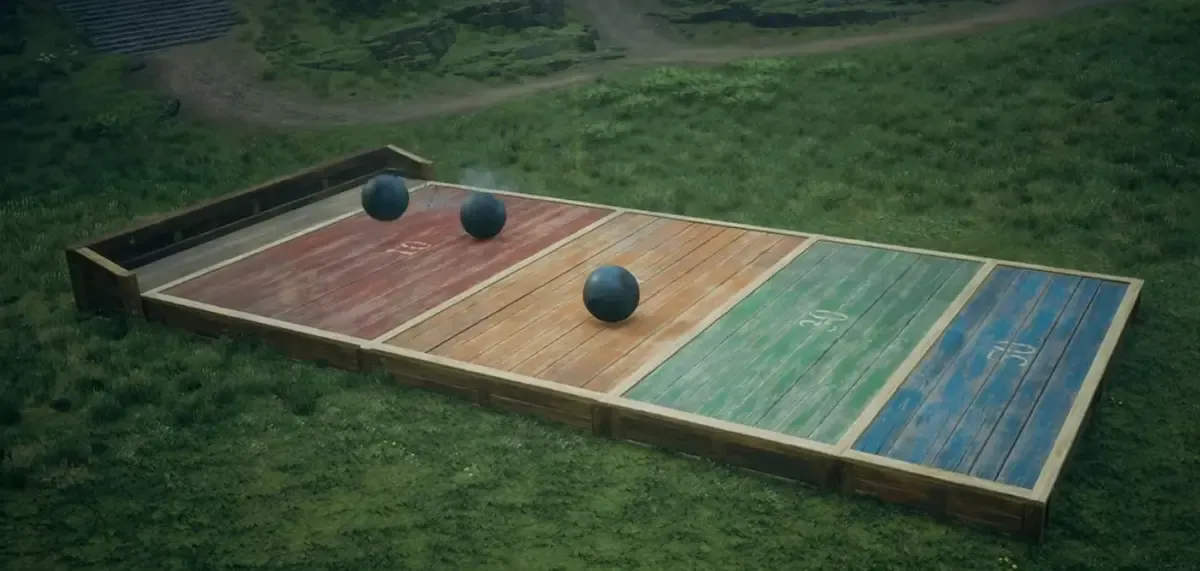
Though these three sports are all very popular because of their international appeal, there are also several sports played at Koldovstoretz that are unique to the school. Summoner's Court is one of these, a game that is older than the conservatory itself and that was originally brought over from the United Kingdom by a former Vedma of Spells; this sport involves pulling stones towards oneself with summoning-type charms, and students still often play on courts near the practical lesson fields (or on the frozen lake during the winter, giving it a wintry curling-type spin).
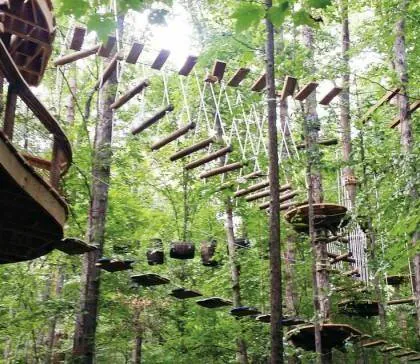
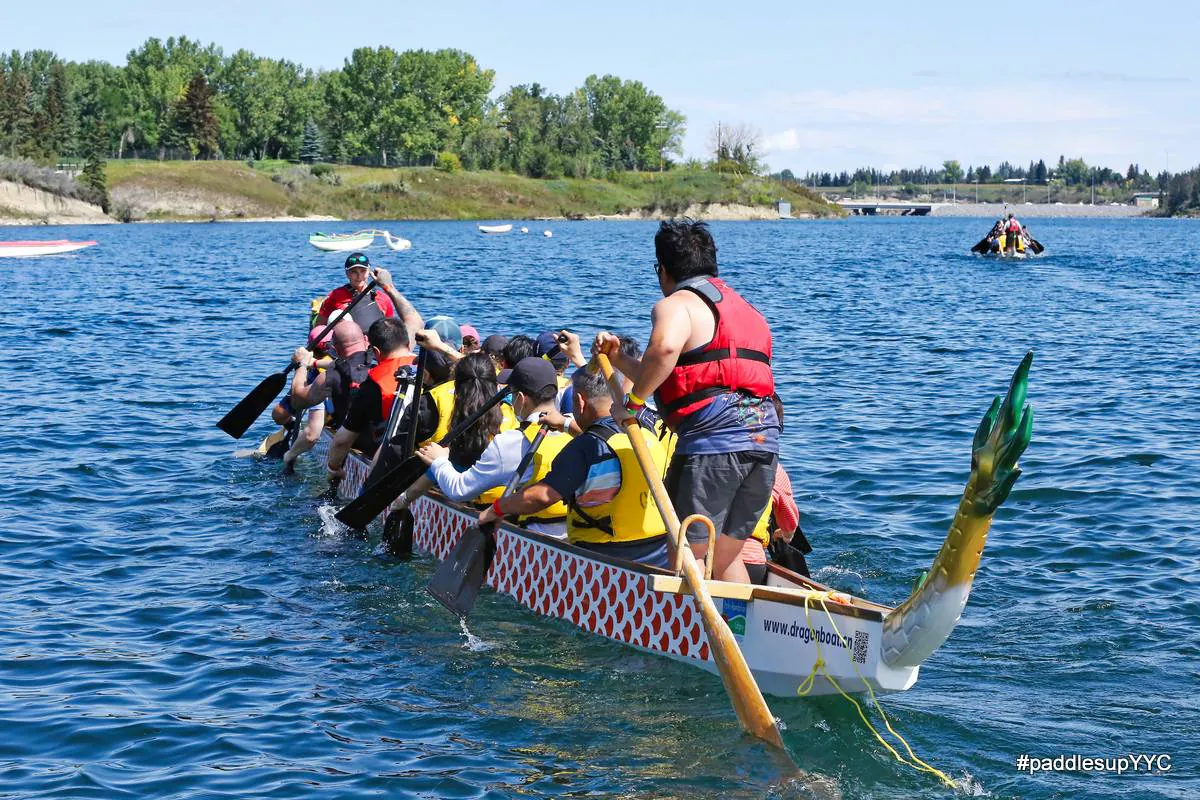
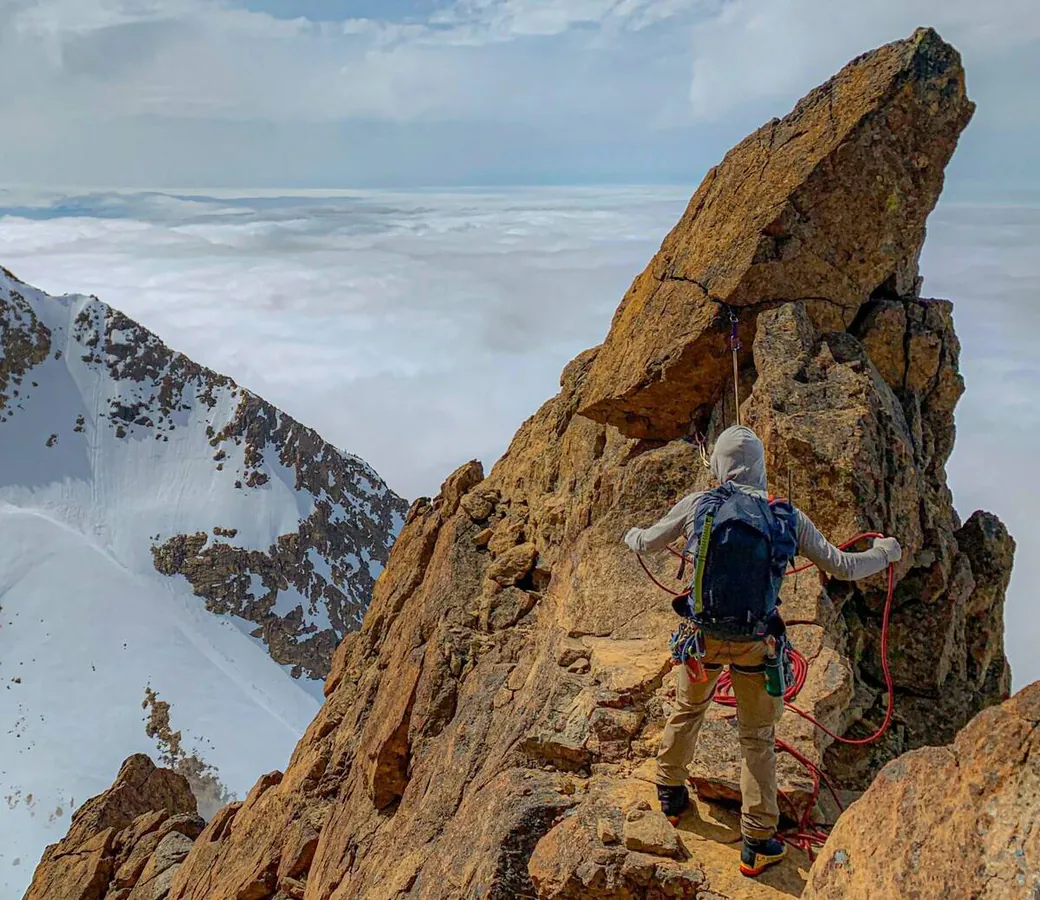
Another very popular Koldovstoretz-specific sport is Climbing. With plenty of trees scattered around campus (see below for the grove descriptions) and some mountainous areas surrounding the school, what started originally as friendly competitions seeing who could scale a larch quickest has turned into a conservatory-wide pastime. Some of the smaller clusters of trees on campus now boast ropes-based obstacle courses levitating high off the ground, with spongy earth below in case of falls, and sponsored field trips to the local cliffs for scaling are held nearly every weekend. Finally, due to the large number of Chinese students in residence, Dragon Boating is also a popular sport, and boats full of children can often be found racing laps around the lake after classes.
Brooms/Trees:
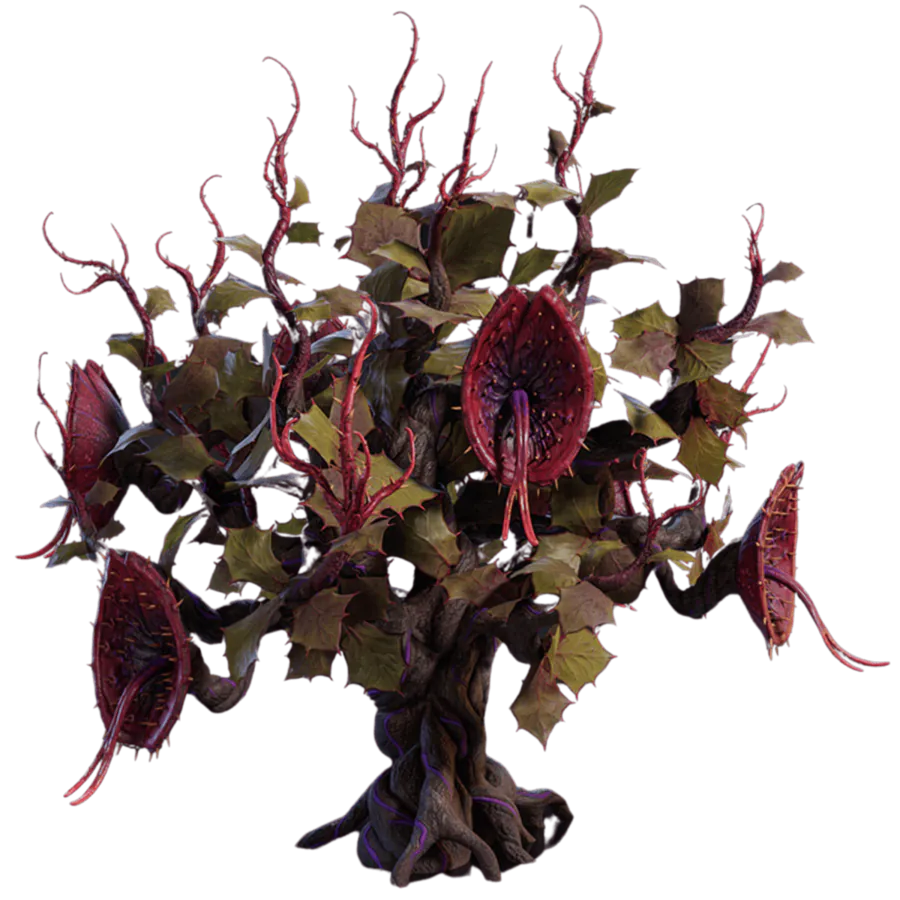
Despite their love of broom sports, these students' use of brooms is limited. Koldovstoretz Quidditch Players and Broom Racers do not use broomsticks like most of the other Eleven Schools. Instead, they are renowned to ride on fully grown trees as their means of levitation. This was extremely meaningful during the years of the Soviet Union as folklore was banned and if one was caught doing something “magic” with a broomstick, they would be reported to the RAPP. The use of trees was easy to leave behind without question. It, instead, looked like a natural disaster rather than a magical incident.
As of the 2025-2026 school year, it has become a tradition for each new first-year student to plant a tree somewhere on campus during their first week of official classes. This is often a large ceremony, complete with food and drink as well as traditional music from the various new students' countries, and while elder years are invited to attend, it is only mandatory for first-years and marks their true first step into becoming a Koldovstoretz student. Trees are grouped by year, rather than by group, in groves around the lakeshore. This tree is the student's to care for, under professorial supervision, during their seven years of magical education, even if they do not join Group 7 and instead follow a duellist or potioneering path. At the end of each school year, trees are checked by the Vedma(k) of plant care as part of final examinations; failure to take care of one's tree may result in disciplinary action or even, in unusual cases, being held back a year. However, this is rarely an issue; many students grow incredibly attached to their trees, decorating them for the Russian New Year (similar to the Magl tradition of the yolka) and even assigning them names.
One of the culminating traditions of their seventh year is to uproot the tree and learn to charm it to fly. This teaches students about the history of why Koldovstoretz students fly on uprooted trees, as well as how broom-making works, and gives students a responsibility throughout their time at the conservatory. Though students may choose to take their broom with them when they graduate, many students choose to leave their uprooted tree "brooms" as school brooms for future Quidditch players and broom-racers to utilize in their learning journeys (hence why the charmwork on them might be... a bit wonky). Of course, in the first few years and even beyond, it takes a bit longer than a student's tenure at the school to grow a full-fledged tree, so there may be some dragon-dung fertilizer and spellwork involved in making sure it's more than a sapling when harvest time comes around! True to military school form, the seventh-years perform an intricate parade flying atop their brooms in front of the rest of the students at the end of the year once their broom-making unit has ended.
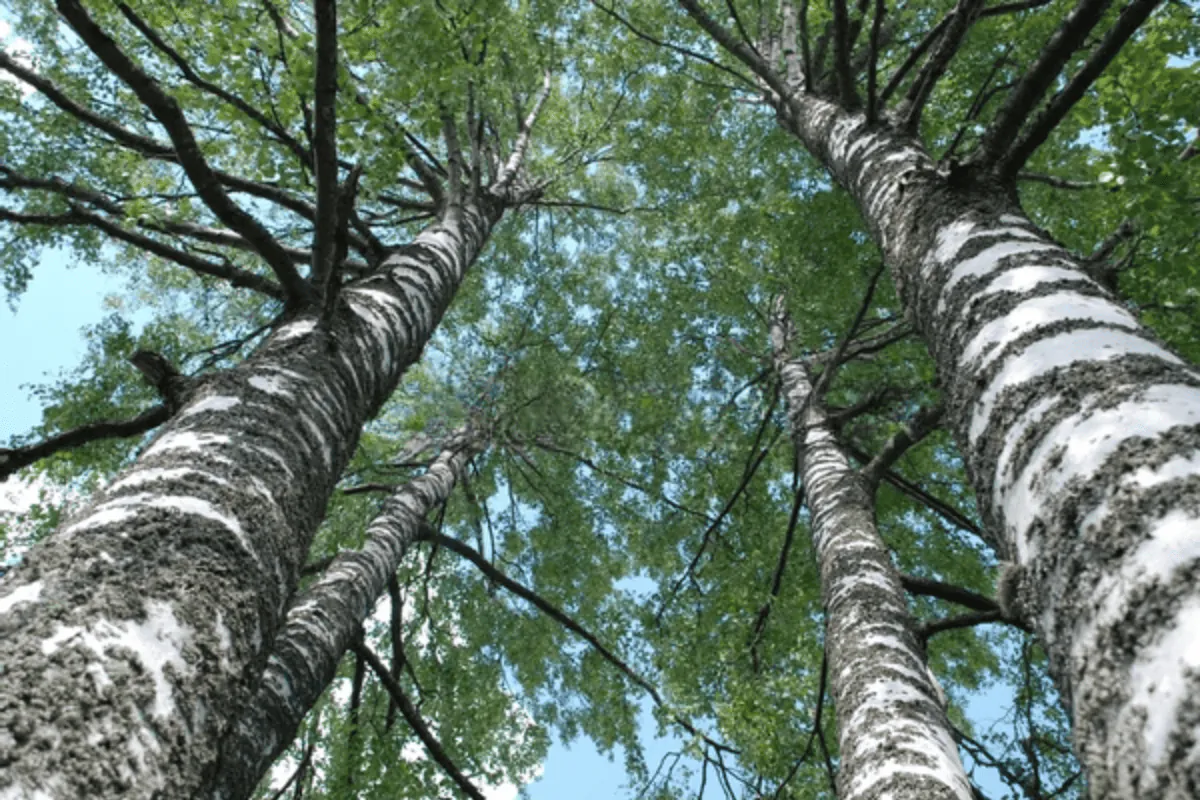
One group of trees, however, stays permanently untouched and only continues to grow by the year: the Мемориальная Pоща (Memorial Grove). When anyone currently affiliated with Koldovstoretz, student or Vedma(k) alike, passes away, their tree is magically moved to the Memorial Grove, where it will live on, representing a life tragically cut short. Several trees already make up the Memorial Grove, planted posthumously to represent the seventeen deaths of the Koldovstoretz Quidditch Team in 2021, the five Koldovstoretz deaths in the SCAR explosion of 2024, and, of course, four single giant white birches directly in the center of the grove representing the four deceased founders of the school. Each tree is decorated with a metal plaque emblazoned with the name and side profile of the deceased it represents, and the message of the grove's existence is clear: Koldovstoretz is not one to forget.
xx
_______________________________________________________________
Another grove, in the southeast corner of campus, stands tall as an academic location: the Роща Леса Палки (literally Grove of the Wands, or Wand Wood Grove). Mostly home to students from Group 7 who are specialising their education in learning to craft wands, the grove houses at least one tree from each of the potential wand woods; since its inception in the early 2000s, the grove has also attracted a large herd of Bowtruckles, who protect the trees from anyone who aims to take their wood without permission from Koldovstoretz professors. Though students from Group 7 officially study the Bowtruckles, they have become an unofficial mascot for many other Koldovstoretz students, who can often be found bringing them snacks of wood-lice in between their classes.
Click here for more information on the Wand Wood Grove:
ReducioThe Wand Wood Grove is a sacred area not just to the students, but to the environment of the grounds, too. The root systems of the wand wood trees underneath the earth are intricately intertwined and help support the magic that flows through each other's bark and branches. Students at Koldovstoretz are toured through the small grove in their introductory year to learn about the connection between the school and the lives of the trees that reside within the grove.
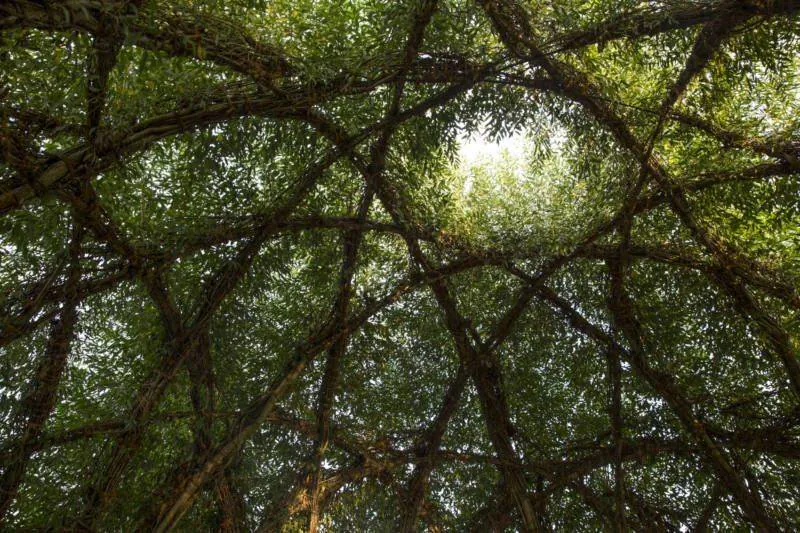
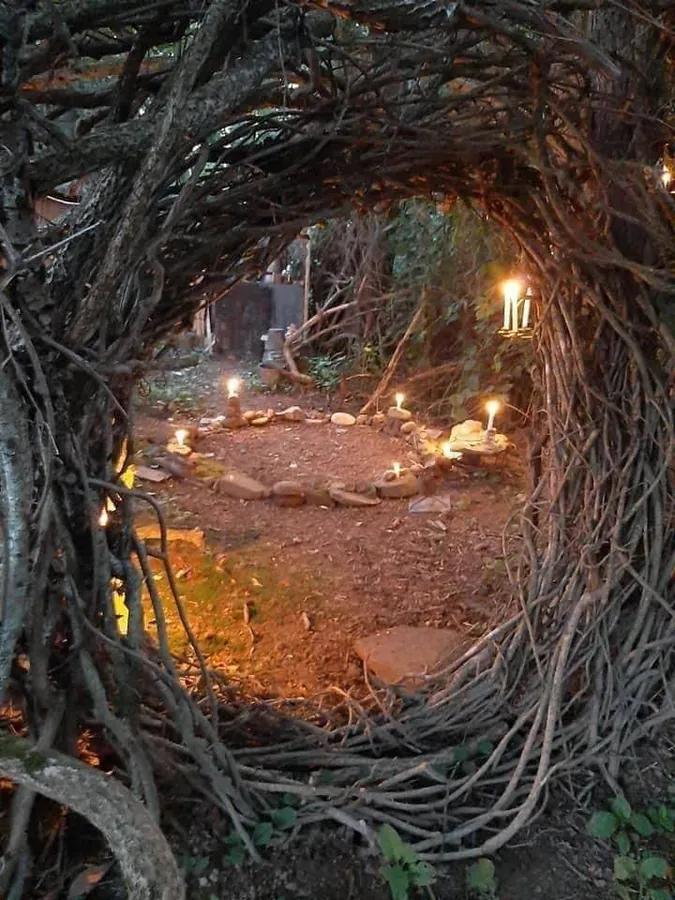
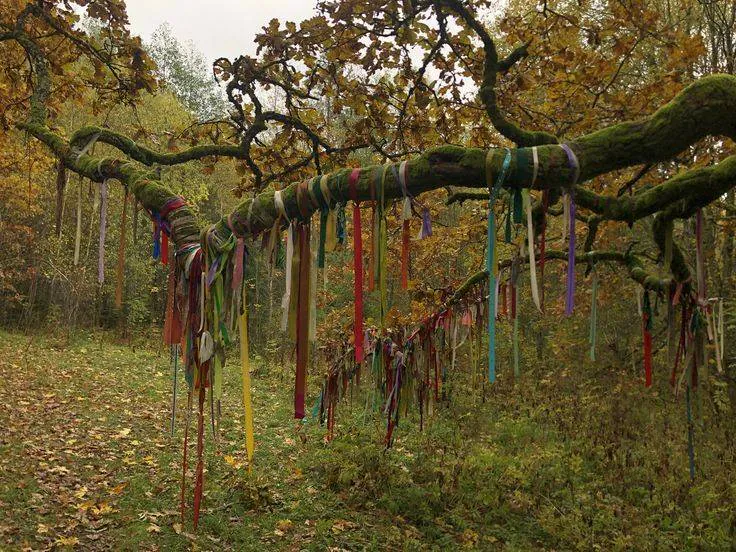
The grove itself is a rich environment that is a smaller version of Russian magical forests and the countryside. Protected from the rest of campus by a thick matting of woven branches, from the outside it almost resembles a giant dome of branches (or a huge nest) too thick to climb through in all places but one. Its magically connected roots provide an almost sentient ability to cast a consistently warm atmosphere that promotes the growth of the trees and the plants that reside underneath their branches, without being subjected to the harsh temperature fluctuations of the Siberian sub-arctic. There is a strange yet consistent flow of sunlight into the grove despite the actual sun’s movement across the sky and the turning of the Earth, leading to a soft yet welcoming glow that permanently illuminates the grove. The lone entrance is a great braided tunnel of branches, carefully tended to by the Bowtruckles, who prune any straying twigs and keep the archway presentable for any guest that may climb through the tunnel.Right inside the grove's entrance is the conservatory's magnificent Wishing Tree, a storied Slavic tradition as old as the campus itself; students tie a small piece of cloth onto the tree and make a wish in the hopes that it will come true, particularly graduates or lovestruck youths. Any path that has been forged beyond the Wishing Tree by the prodding of a curious foot leaves behind a small trace of history that contributes to the notability of the forest itself. Deep in the middle of the grove, a clearing has always existed, providing a meeting space for lectures and eventual woodworking - for which students must provide their own materials to work with, except for the wood. The night before any carving or production takes place, the Vedma of Plant Care works with the Bowtruckles to select the wood that is best suited for the group of students, with the small creatures indicating which branches are ready for harvest and which must be cultivated longer. Occasionally disputes between the Bowtruckles and the Vedma will result in a false branch or two being selected for woodworking, giving the students and the Bowtruckles something to snicker about.
Every tree within the grove works symbiotically with the creatures that reside within it. The Bowtruckles are the primary consumers of this relationship with the trees as they are what protect them from the scourge of woodlice infestations, attend to pruning that might have been missed by a human, and to guard the magic within the tree roots themselves. The trees in turn provide their dutiful caretakers with shelter, food, and an additional source of magic from which the Bowtruckles can draw to perform their duties. The students partaking in Koldovstoretz’s Wandmaking Fellowship are expected to know the inner workings of this symbiosis and understand how they as wix mustn’t interfere with the natural order of life. Students in the fellowship have often come away from their time at school with not just the knowledge of wandmaking, but having made friends with a specific Bowtruckle, despite the overtly shy nature of the creatures and the blessing of something deeper than their own innate magic. Alas, the creatures cannot leave the grounds as pets.
Part of a student’s responsibilities to the trees include generic plant care that requires a larger body than the Bowtruckles possess such as debris clearing, landscaping, and soil mixing as well as the conversations that they have with the trees themselves. Before wandmaking can begin, a wandmaker must develop a kinship with the wood they will be using. Those who are more conversational with the Grove tend to find their products retaining a higher quality and more ease of use for the new bearers of the wands.



Though some professors are well-tenured at Koldovstoretz, other Vedma and Vedmak switch out every few years, and are known as Visiting Assistant Vedma/Vedmak, or VAVs. Often younger professors who are attempting to jump-start their careers in non-teaching fields, these VAVs stay for a minimum of one year and a maximum of five, utilizing their time teaching to "find themselves" and expand upon their research and interests at the educational institution while also staying safe from the outside world at the Unplottable lake.
This allows for adults with varying specialties to rotate through students' lives, introducing them to more varied topics than could one professor alone for a single subject; this also gives students a larger professional network once they graduate, since many VAVs go on to non-teaching careers worldwide.
VAVs are encouraged to create their own space for their classrooms, such as renovating one of the multiple yurts and cabins aboveground left from previous VAVs or even carving out their own classroom underground in the network of below-the-lake corridors and caverns. Because of this, the underground network is constantly growing as VAVs shift in and out of the school, and the abandoned classrooms underground provide empty places for students to explore, hang out, study, and more. There are rumours of certain empty classrooms containing ancient (well, "ancient" in terms of Koldovstoretz's youth) treasures from VAVs past, but thus far, nothing has been found...

Another important level of Koldovstoretz employees is the conservatory's Recruiter class. Sometimes VAVs or former professors, other times recently graduated students or family members of current students, these Recruiters are volunteers who travel across the countries from which Koldovstoretz accepts students at the end of each August (as well as at the beginning and end of every school break/holiday). An homage to the caravans of children that used to travel across the Soviet Union to avoid being caught by the Magly, the Recruiters are tasked with the safety and travel of their groups of children (anywhere from 4 to 10 in number) as they journey to Koldovstoretz.
This is also how students are recruited as new members of the school populace, for the Recruiters visit eligible families shortly after their child's first instance of accidental magic. If the family agrees to early boarding, their Recruiter will bring the young child to Koldovstoretz so that they can join one of the younger groups; if the family does not want to board their child early, the Recruiter will return the August after the child turns eleven to escort them to their first official year of education. Writers with Koldovstoretz NPCs are welcome to make up their own dNPC Recruiter if they wish to RP their acceptance to the conservatory.

The location of Koldovstoretz was situated beyond the Ural mountains, near the Yenisei River in an Unplottable lake known as Lake Bear to the magical community. It is said by her oldest students to have been built on the grounds of Baba Marta's old tribe. This is purely based on speculation as the old Director herself never confirmed these rumours, though seeing as how she was of Ket heritage and the school is located on ancestral Ket grounds, it makes sense to see this as the truth. It was the tales she could tell of the land that made her students suspect such things. Baba Marta called the school grounds their own little "Palace of Magic", a taunt towards those looking to rid the world from her magical heritage as back then, when all forms of folklore and magic had been considered as supporting the old tsarist views that were meant to have passed away with the last Tsar's own demise. It was this same persecution that caused Baba Marta and her colleagues to travel further eastwards into the countryside in the 1940s following the attack on Koldovstoretz's original location in Lake Onega. Though there was no actual palace to be seen there, it was rather the community itself that Baba Marta felt was where her palace stood. It travelled with them.
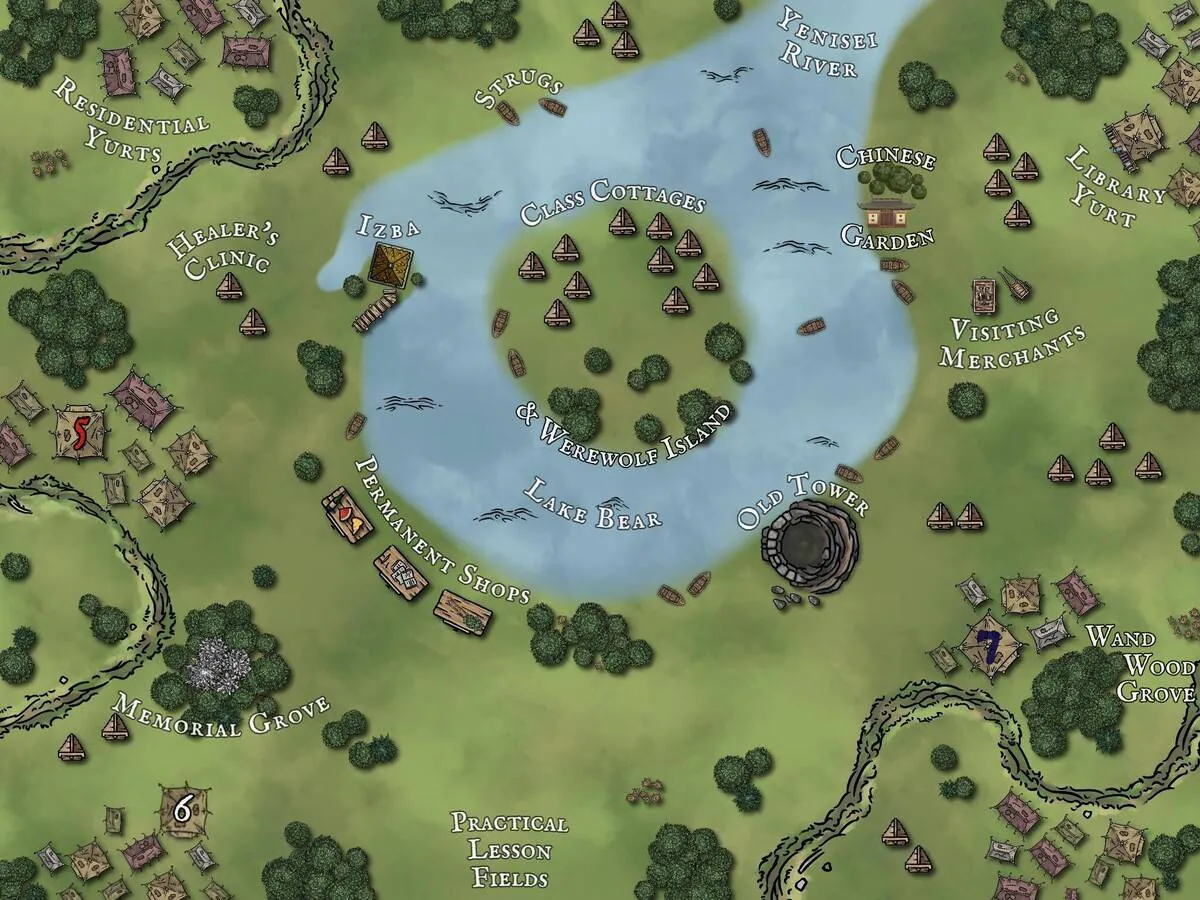
There are plains of grass with patches of forest scattering the land, with both the trees and the mountains surrounding the location helping to make its residents feel safe. The campus itself was created along the shores of a river that fed into Lake Bear, a tributary of the Yenisei; there is also an island in the middle of the lake that is considered to be part of the campus. The grounds show remnants of an older way of life. It used to be that children all over Russia were sent east to find the small magical villages that would teach them all they know. Each village had their own traditions and rituals and thus left their own mark on the magic they left behind.
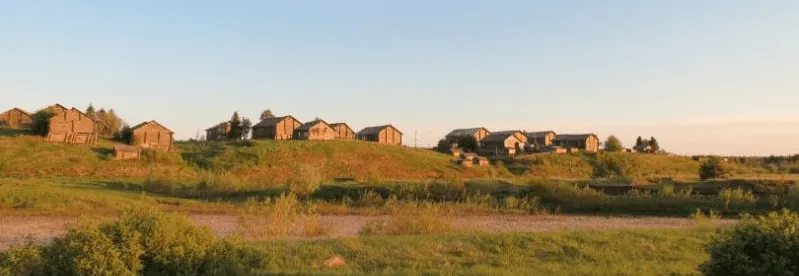
With older cottages repaired and in excellent condition as of recent years and sets of yurts bundled together in the more open areas, there is no building taller than ten feet in Koldovstoretz with the exception of the ruins of the old church tower.
Yurts
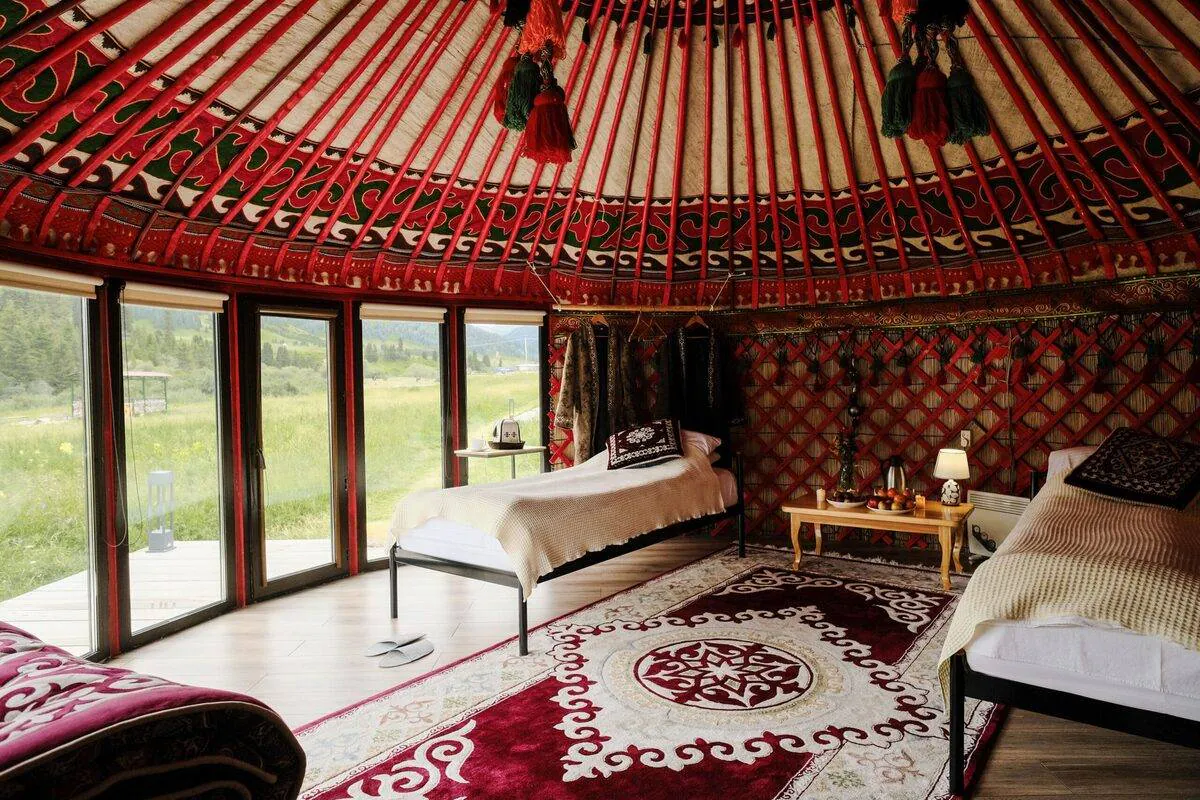
Students tend to live together in small groups in the smaller yurts, able to form their own roommate groups as big or small as they would like and move about from home to home as they pleased throughout their seven years of education; this teaches them responsibility and the commitment of living with roommates, as no student is permitted to live alone.
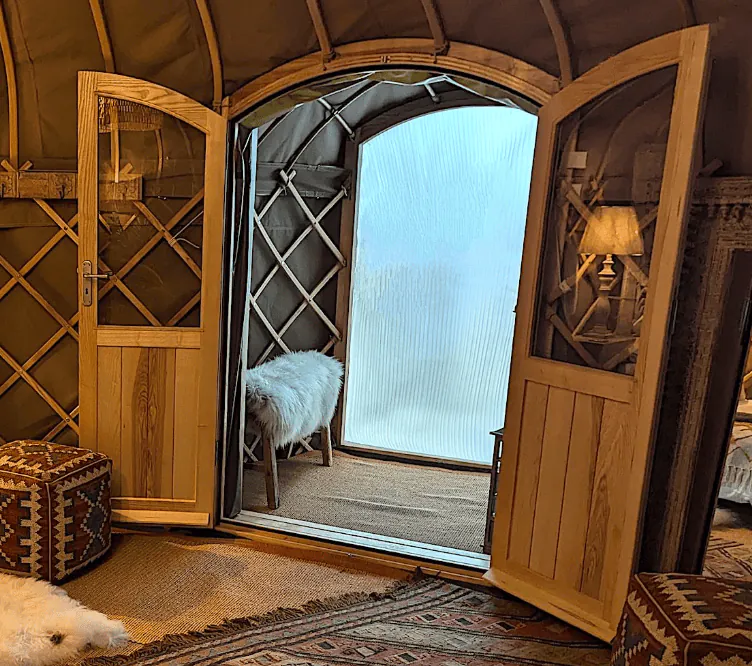
The yurts themselves are enchanted for comfort and beauty, meaning that no matter how cold it gets outside during the winter, students are always toasty and warm inside. Students are also allowed to decorate as they please to make their residences feel more like home. However, despite the interior's mutability based on its residents, all yurts share the same basic qualities:
In three distinct areas of campus, students may also find the common rooms (or, as the Director likes to call them, the "common yurts") for Groups 5, 6, and 7. These may look tiny from the outside, but when students use their Group-specific key to step indoors, they will find themselves feeling like they are in a completely different location with the tall ceilings and multi-story insides. Each Group of elder students can use this place as a gathering spot for their fellow Groupmates, and as such, when one Chooses a Group, they receive a specialised key that can only be used by them to unlock their yurt: a wand-shaped key for Group 5, a flask-shaped one for Group 6, and Group 7's, which is shaped like a sapling. You only receive your key once, so make sure you don't lose it - or that you find it if you do!
A small entrance area in which students can leave their coats and cold behind before entering the yurtxxx
A central living area with a low table and cushions, in which students can study, spend time with friends, and relax|
Several offshoot bedrooms depending on the number of residents, with tall windows and individual or bunk bedsxxx
Some indoor, attached restrooms with well-kept plumbing, reflective surfaces, and warm shower and banya (sauna) spaces
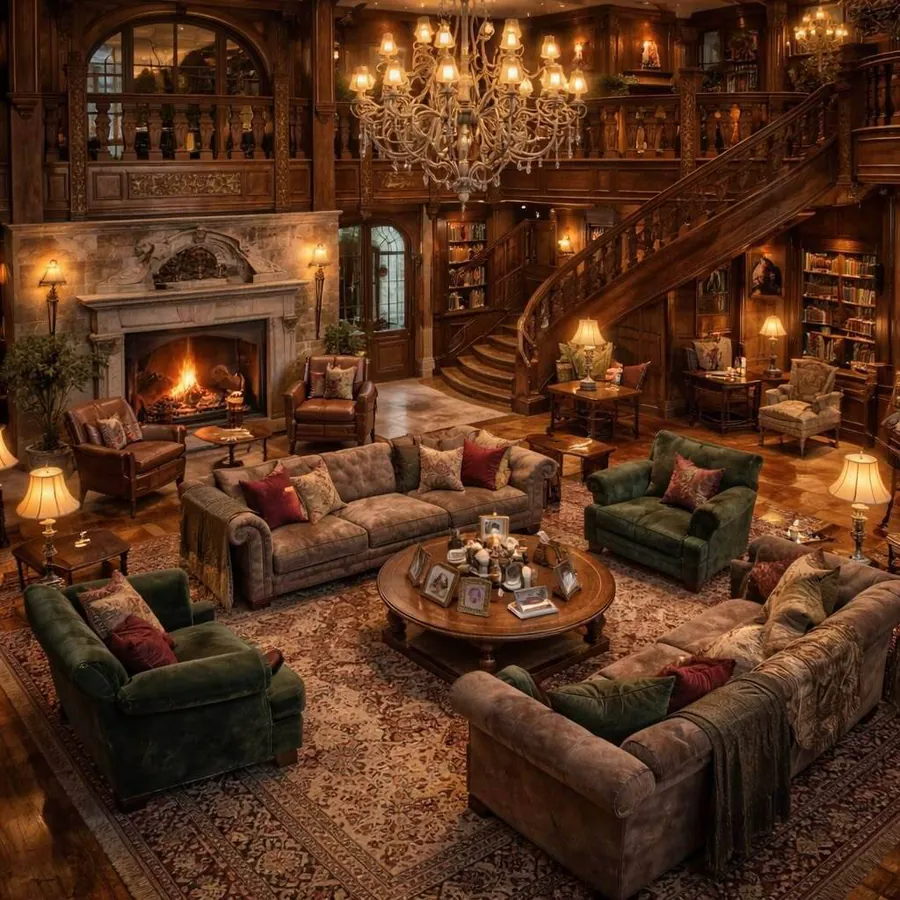
Group 5's common yurt is surprisingly warm and cozy, a two-story marvel that is always lit by the glow of an ever-golden chandelier and burning fireplace. Find comfy seating and Latin books on the bottom floor if you're interested in studying with friends or trying to invent new spells, or climb the ornately carved staircase to the balcony for some privacy. The back duelling room on the second floor also has multiple duelling pistes and several practice dummies for those wanting to cast. x
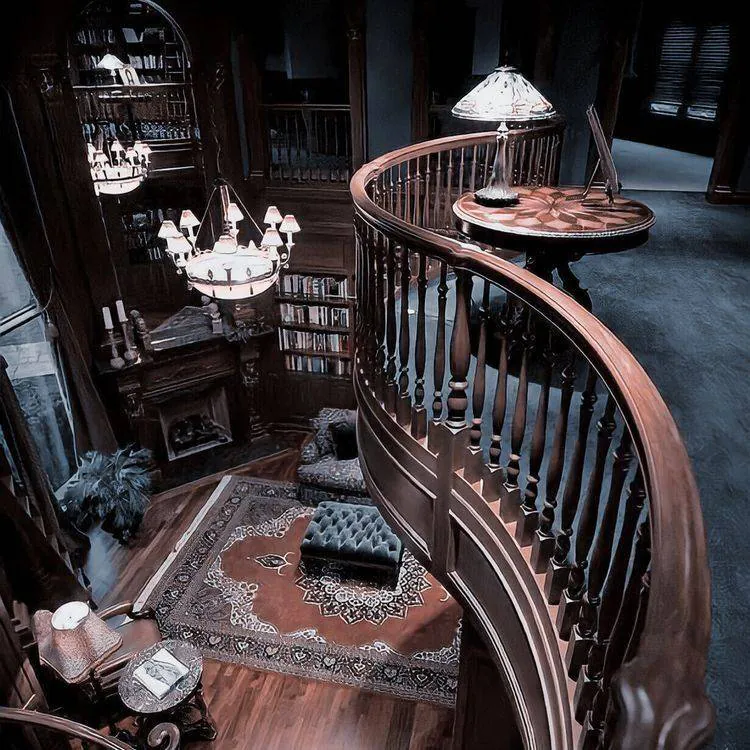
x Group 6's common yurt is dark and gothic, with a seating area on the bottom floor that also contains a veritable library of potions-related tomes, as well as hardwood floors and carefully woven rugs. Climb the steps on the right to reach the balcony that overlooks the sitting room - just don't drop any potions on your friends! - or vanish into the back cauldrons and ingredients room, lovingly known as the "Experimental Area", to practice your known potions or, if you're brave, try to invent new ones. Dining
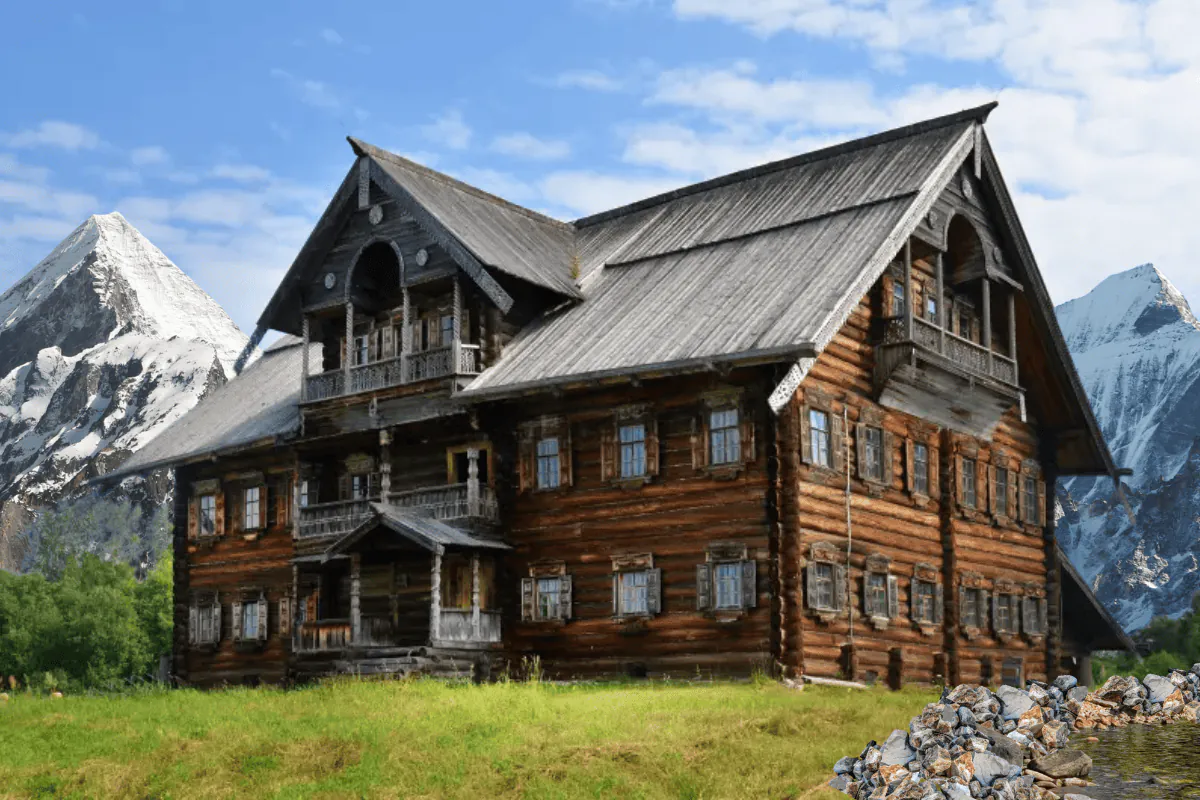
The largest house, or rather Izba, acts as the main hall; this is where all students and professors gather around for their meals or important announcements. Built in the style of traditional rural Russian architecture, the wooden Izba may look too small to hold a whole school's population from the outside, but its inside is easily four times the size... it's bigger on the inside! Enchanted to always be perfectly comfortable no matter what the outdoors weather, golden lanterns flicker inside, lighting up the beautifully painted murals showcasing Koldovstoretz history on all four walls; inside you can find lots of small tables, as well as a raised dais for professors. The Koldovstoretz kitchens can be found through a door at the back of the hall, also much bigger on the inside, in case any students want a snack outside of normal meal hours. Sometimes even the regular festivities occur in the Izba, but this is only done indoors if the weather does not permit them to occur outside. Students can enjoy meals three times a day in the Izba:
Students with dietary restrictions, such as vegetarians, vegans, those with allergies, or those who follow halal, kosher, or other cultural diets, will always be able to find multiple options that fit their diet on every spread at the Izba. Koldovstoretz is a cultural melting pot, and so too are its meals!
- Завтрак/Zavtrak: Breakfast, served at 7 a.m. and often consisting of fast but filling traditionally Russian foods such as блины/blini (pancakes) and каша/kasha (porridge), as well as some traditional Chinese foods such as 包子/baozi (steamed buns) and 豆浆/doujiang (soybean milk).
- Обед/Obed: Lunch, served at 12 p.m. and consisting of a three-course meal: a soup, a protein and starch, and a dessert. An example of an obed might be borscht, meat and potatoes, and kompot to end the meal.
- Ужин/Uzhin: Supper/evening meal, served at 6 p.m. This meal changes every day to reflect the various cultures of students attending the conservatory; one day there may be traditional Russian пельмени/pelmeni (meat dumplings) and dark ржанóй хлеб (rye bread), and the next day Chinese 麻婆豆腐 (mapo tofu), the next Kazakh бесбармақ (beshbarmak), or Estonian verivorst (blood sausage). During the spring semester, if Ilvermorny exchange students are in residence, American hamburgers sometimes find their way into the mix.
Feasts are often common to celebrate holidays and international gatherings and are essentially larger and more multicultural versions of the everyday Uzhin, with foods from all of the students' countries found on the tables. Whether at a feast or at a normal meal, students can choose where to sit to promote inter-group communication and friendships, though the Director reserves the right to separate the dining tables into their respective Groups should any arguments over Group pride occur and become too loud or destructive.
xx
Class Locations
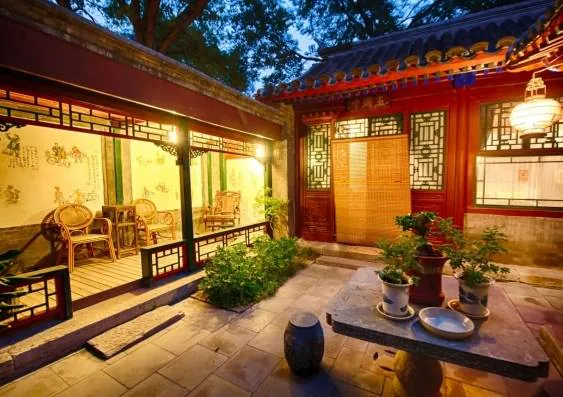
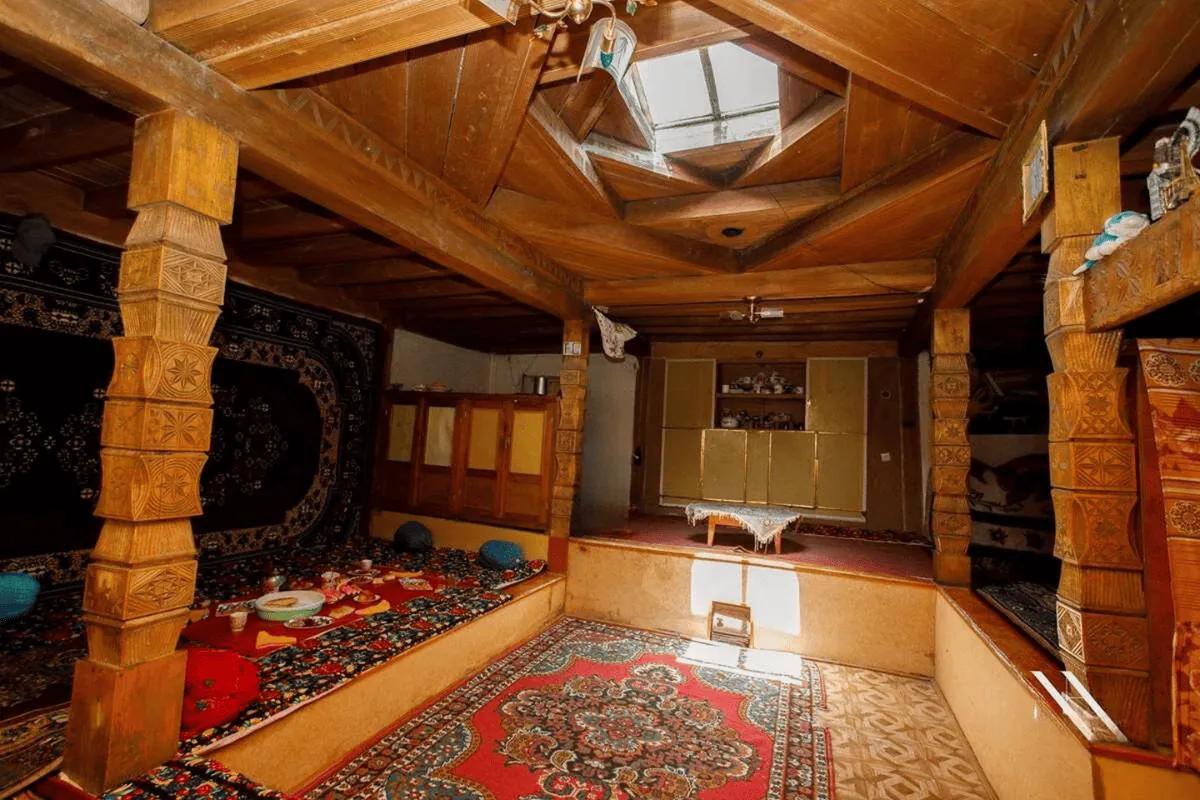
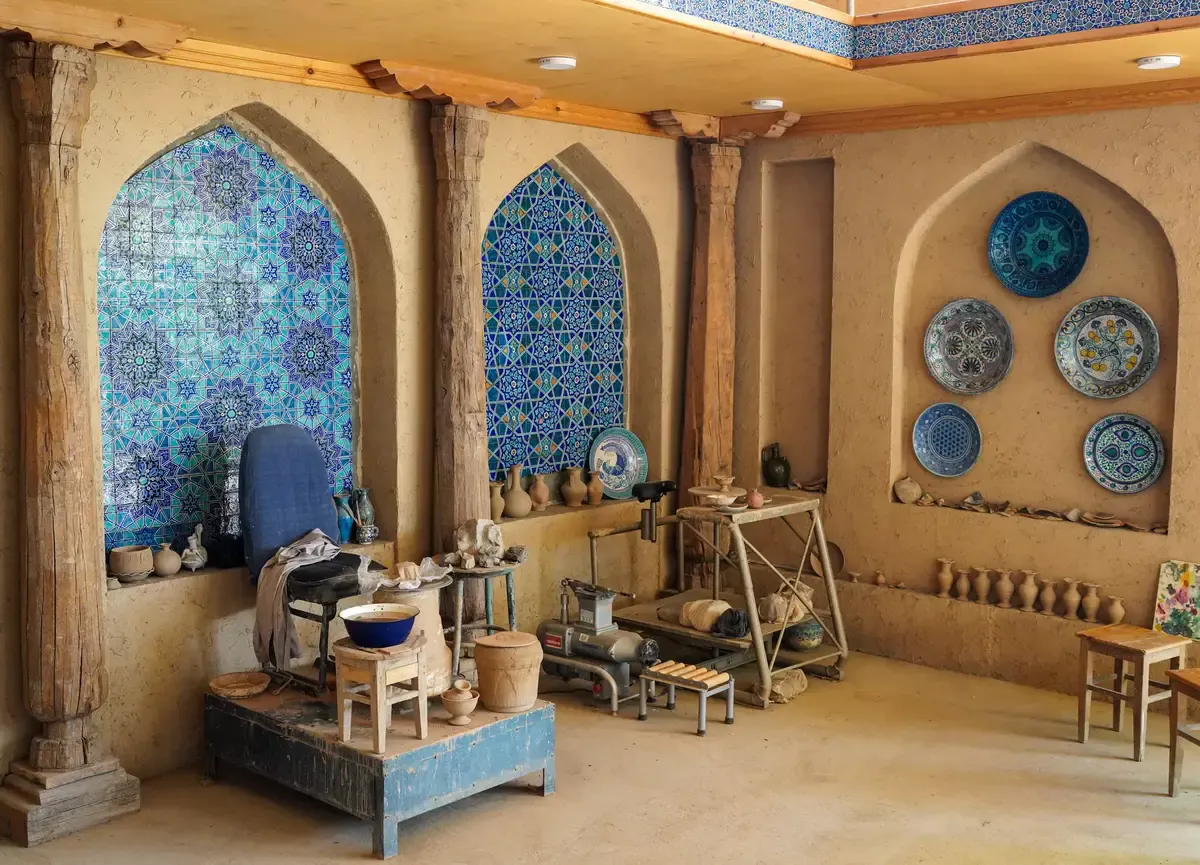
Students attending different classes are separated into the different houses spread around the grounds. Theory classes are usually taught in the sturdier logwood cottages facing the northern banks of the island; this includes Theory and History of Magic from Group 5, Business and Trade from Group 6, and Astronomy from Group 7, as well as most of the classes from Groups 2, 3, and 4. Some of the newer additions to the Koldovstoretz campus within the last three decades, there is one cabin for each of the countries that feed students to the conservatory, numbering seventeen in all. Each cottage is built in a traditional style from that country and, in addition to hosting theory classes and the younger students, can also be used as quiet prayer spaces for religious students, study halls for those needing some cram time, or just a little bit of home for children missing the architecture of their native country.
xx
China Cabin (Courtyard)
Tajikistan Cabin
Uzbekistan Cabin
Practical lessons are given out in the open fields a little ways south, with several large yurts being refurnished into classrooms for when shelter is needed; this area is home to the Transformation (Group 5), Alchemy (Group 6), and Care of Creatures (Group 7) classes. The largest yurt of all is utilised as the library, where students can go to research and study from the school's admittedly small collection of scrolls and books.
The lake itself plays a huge factor in the way of life for the inhabitants of Koldovstoretz. Usually all sports revolve around playing it either in or above the water. Fishing and other such skills are taught to those who wish to learn a more survivalist approach to life, and many students either swim to classes on the island or utilise a strug (a traditional kind of Russian boat), of which there were a few scattered on each shore.
xx
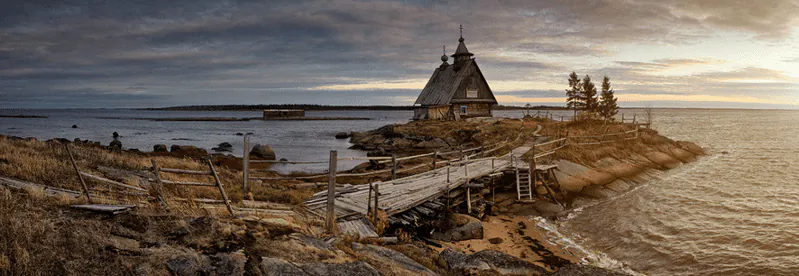
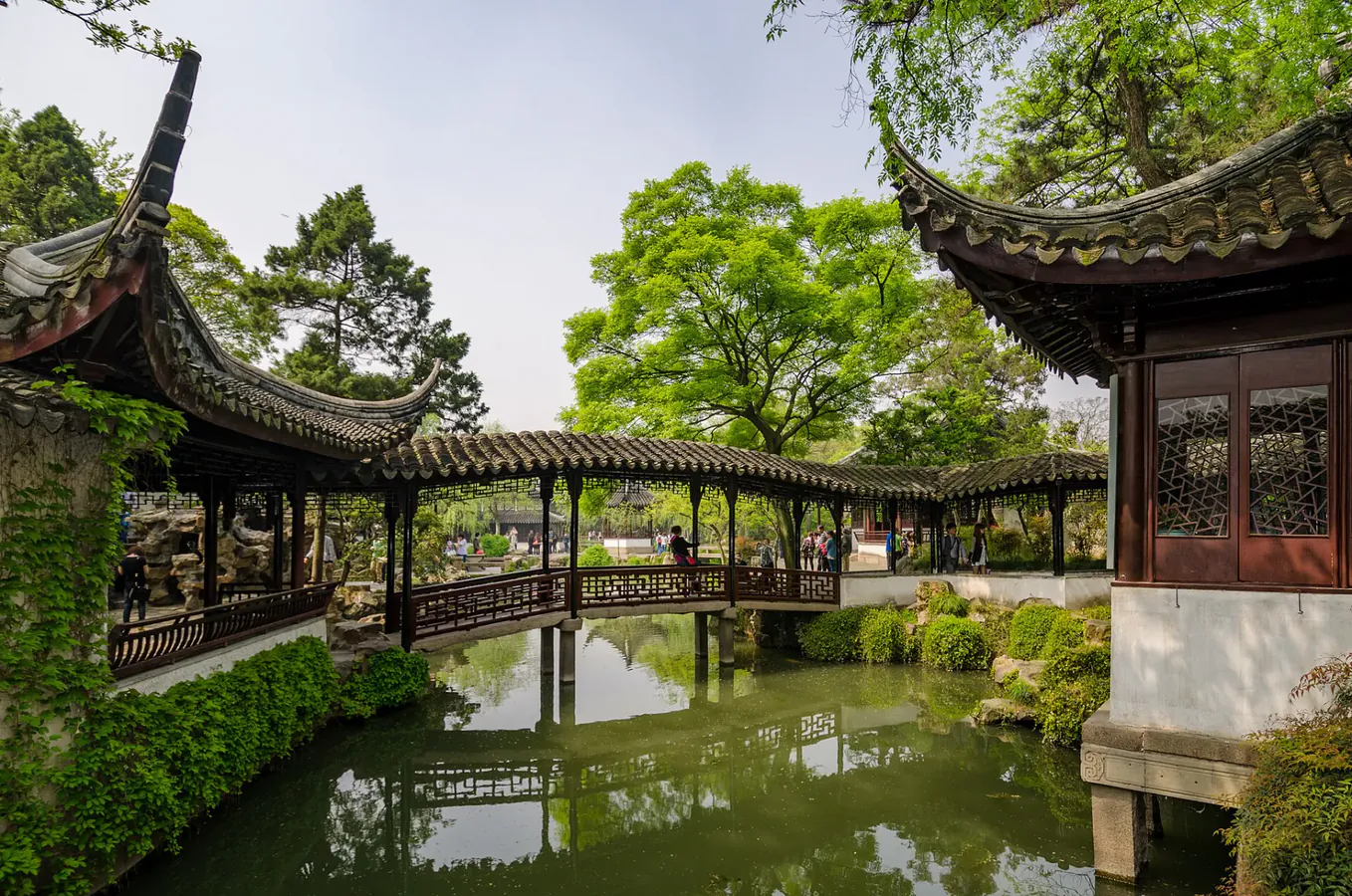
The eastern side of the campus also harbours a large Chinese garden, a common relaxation spot for students on campus with plenty of plants to study and easy access to the lakeshore, as well as the old ruin of Koldovstoretz's only tower ever built, a churchlike building. It were Balachkov and Medvedev who tried erecting this building at the original Koldovstoretz location in Lake Onega back in the 1930s in an attempt to expand both their awareness of the area as well as their own security. Sadly, the unfinished tower would have never survived what was to come regardless of their success.
Following the attack in the year 1942, when Koldovstoretz relocated to its current location in the Ket homelands, the surviving founders relocated the building brick by brick to their new home but did not attempt to get the tower back up or finish it, as a reminder of their storied past and the danger that can come from carelessness during the journey to school. Nevertheless, there is a part of the large churchlike building reconstructed for alternate use. The old ruin now houses what served as the only known entry point, for decades, to a select underwater set of classrooms and tunnels that serve the purpose of housing the school in times of danger and, in the time preparing for danger, also functions as the classrooms for combative magic. This is where students of Koldovstoretz are selected to learn and fend for themselves as well as protect the conservatory. In recent years, some Vedma(k)s have chosen to host their classes underground as well; the courses Spells and Protective Magic (Group 5), Potions and Runic Language (Group 6), and Art of Prophecy and Plant Care (Group 7) can now be found in the maze. Most courses for Groups 2, 3, and 4 are also underground.
At the end of the 2024-2025 school year, whilst clearing and mapping out the underground caverns at Director Vorozheykin's behest, a brave seventh-year Koldovstoretz Group 6 student by the name of Irina Afanasyeva discovered a second entrance/exit point to the caverns that had been lost to time over the decades -- hidden underneath the counter at Alexievich's, one of the few permanent stores on campus. Though most students still to this day use the original entrance for getting in and out of the underwater classrooms, some students have been known to bribe Alexievich himself with sugary treats to gain access to the entry point he still so staunchly protects.
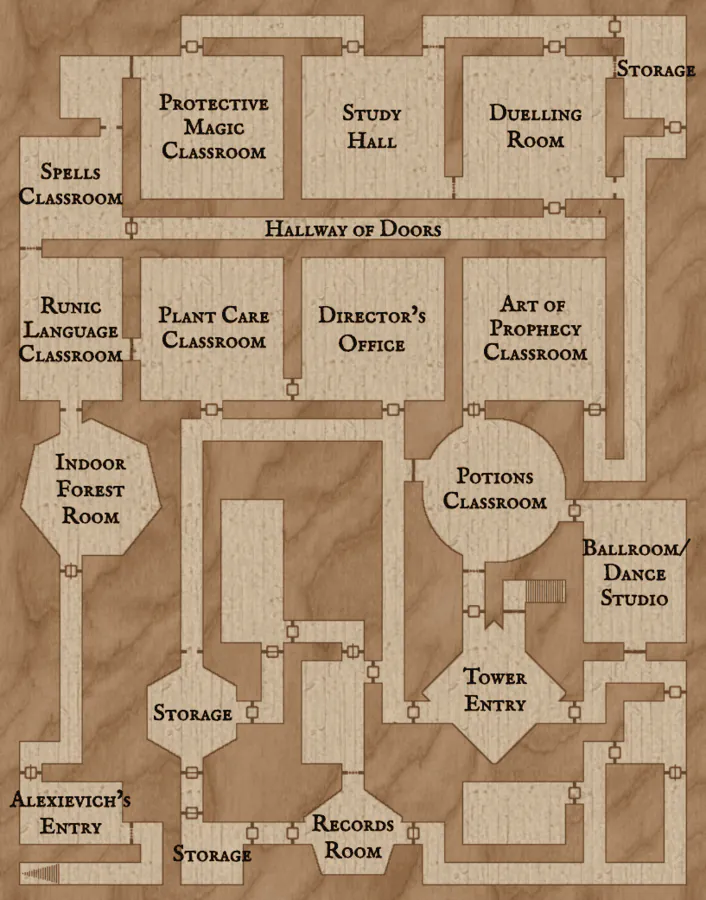
The following maps represent the layout of the Koldovstoretz Conservatory, in both its aboveground and underground capacities.
Above Ground:
The marked 5, 6, and 7 yurts represent the three Groups' common rooms.
Below Ground:
Unlabelled rooms are empty/abandoned classrooms.
Descriptions of the labelled rooms can be found in this Reducio:ReducioAlexievich's Entry:ReducioThis old hideway of a classroom remains mostly abandoned even after its discovery in May 2025, simply because Alexievich guards the entry above with a steel fist and an almost-unbribable sense of morality. Covered in a thick layer of dust with only a few sets of footprints across the dirt floor, the room resembles a standard classroom, with bookshelves lining the walls to the old-fashioned tables and chairs and tables scattered haphazardly around in clusters. The exit to above can be found behind a bookshelf that is always slightly crooked, revealing an earthen staircase leading to the surface behind it.
Art of Prophecy Classroom:ReducioFormerly an Astronomy classroom, this underground room was converted to the Art of Prophecy classroom shortly after Director Vorozheykin - formerly the Vedmak of Prophecy - became the Director and took his old classroom as his new office. The room is large, yet cluttered, and certainly campy, with its dirt walls painted in a fresh coat of a mystical gold that shimmers as students move by. Several lit lanterns with decoratively carved shields nearby project moving light displays onto the walls and ceiling, giving the impression that students are in the middle of an accurate, ever-expanding model of the universe; it's helpful for astrological predictions. Several shelves full of teacups, tarot cards, crystal balls, bones, and a large variety of other prophecy-based instruments make up the far wall. One of the exits, the one leading to the storage closet, is a big, heavy-looking, and very locked deep blue door with a huge wheel in the center, decorated with three-dimensional versions of your solar system; it can only open when the 3D planets are correctly ordered, with the sun at the top (left over from astronomy). The room always smells ever-so-faintly of sage and herbs.
Ballroom/Dance Studio:ReducioDance has always been a vibrant part of Russian heritage, both magical and маглы; though Koldovstoretz is traditionally known as a military school, that doesn't mean that dance cannot play an integral part in it. Many маглы-born students come from dance backgrounds and, decades back, petitioned for a dance studio to exist on campus; one of the largest underground classrooms was converted into a studio that is also utilised as a ballroom of sorts for indoor events during the winter months. One wall is lined entirely with mirrors, and the floor beneath your feet is tiled with изразцы, culturally significant blue-and-white glazed tiles that are covered in beautiful handmade paintings. A large glass chandelier adorned with cobalt globes dangles from the center of the dirt ceiling, eternally lighting up the large, empty space. For musicians, several instruments lean along the wall, including a piano, violin, and more.
Director's Office: you may find the thread for this here.
Duelling Room:ReducioLarge and airy, or as airy as a dirt-walled underground room can be, its main attractions come in the form of four circular duelling pistes situated at the north, south, east, and west points of the room; this is obviously where duelling lessons are held throughout the year, especially in times of war. The walls are decorated with various scorch marks, deep gouges, and other spell effects from decades of spellcasting within these four walls. Other than the pistes, and several benches on which students can wait their turn for duels, this room is explicitly empty; after all, you wouldn't want a stray curse to break something important.
Hallway of Doors:ReducioThis room is not quite a room, but rather a very long hallway lined with doors of all shapes, sizes, and colours. Each door has a key sticking out of the keyhole, except for two - one at each end of the hall, which funnily enough are the only ones that lead to actual rooms. When you try to open the doors with keys, they open on squeaky hinges to reveal nothing but dirt walls behind them. Strange, for sure, but there are no rooms to explore behind the keyed doors. Perhaps this is just door storage?
Indoor Forest Room:ReducioThis room is so totally overgrown with what appear to be thick, hearty tree roots, or maybe they're trunks, growing straight down through the dirt above through desks on the ground and disappearing into the dirt below, that it seems to be a forest instead of an underground classroom. This is the only way to access the Alexievich's entrance, or to get to the rest of the underground maze from that entrance, so many students have become proficient in the Four Point Spell as it is the only way to be guided through without getting lost in the trees.
Plant Care Classroom:ReducioA fairly standard classroom, it is often used for plant-based lessons when the weather above ground is too frigid or too windy for some of the less resilient plant life to survive for long periods of time. Several of the kinder plants that do not need light are stored here as well, though since the old Herbology room was taken over by a Devil's Snare in May 2025, the Snare is now stored separately elsewhere. It is a warm room, so there is a large coat rack by one door so that students can leave their heavier jackets there; the plants themselves make up an intricate spiral of pots on tables, allowing for students to get somewhat lost in the herbological maze and need to crawl under the tables to find the exits. A small Chinese zen garden sits in the corner, allowing a constant supply of water and a place to relax if one is bitten by a tentacula.
Potions Classroom:ReducioA circular room with shelf-covered walls, the Potions classroom is home to Group 6 students mostly and is often one of the neatest and most well-organised rooms in the underground. Ingredients, potions, and materials for brewing can be found here.
Protective Magic Classroom:ReducioThis room, formerly the Spells classroom, was victim of a Spongify gone wrong several years back and the floor, even now, still feels slightly squishy as you walk upon it. Several of the chairs and desks are partially sunk into the ground, but otherwise, it is a standard classroom with lots of small group tables and chairs. One wall has been entirely transformed into a large chalkboard, with a small raised dais in front of it and a podium at which the professor often stands.
Records Room:ReducioThough students may not recognise the Koldovstoretz record-keeping room as they enter, as it is technically off-limits to students, it does not seem to be abandoned and is in fact well-lit and crammed with what appear to be маглы filing cabinets labelled with various Cyrillic letters spelling out the entire alphabet from one end of the pentagon-shaped room to the other. Papers often whirl themselves out of one nearby cabinet over to a vertical desk hung on the far wall, where one of several hand-carved wooden writing instruments scribble something invisible on the parchment; the parchments will then whirl themselves right back into their cabinet. Above the desk on the wall, a fiery phrase flickers in Russian: Сотрудники могут читать все, а ученики - только свои. Нарушите правило и почувствуете последствия. This translates to "Staff can read everything and students can only read their own. Break the rule and you will feel the consequences."
Runic Language Classroom:ReducioThough foreign languages is no longer a subject officially taught at Koldovstoretz, with Russian and Mandarin Chinese being the main languages of operation and other tongues taught in extracurricular activities or by private lessons from a certain Vedmak or Vedma, this classroom was once used to teach international dialects an official course of lessons -- perhaps at a time in which Russian wix were not quite so well-hidden, and leaving the country was preferable for some who wanted to live more open lives elsewhere. Of course, the developments of magical safety in the country as of late have made the need for learning other languages and live elsewhere fade away, but the posters in English, Spanish, German, Arabic, and even some indigenous languages native to Russia, among others, still remain here in this room, along with textbooks, scrolls, and parchments in many more. Now, the classroom has become the home of the Runic Language classes for Group 6, so several textbooks, scrolls, and posters in various runic languages have been added as of late to this cluttered class.
Spells Classroom:ReducioA long time ago, the Koldovstoretz Healer-in-Residence took up their post in this classroom, which is perhaps why it still vaguely smells of antiseptic and some of the cabinets still are stocked with rolls of gauze. More currently, it has transformed into the Spells classroom for Group 5 students; recent scorch marks and faint images of bubbles can be found on the far wall, and a line of practice dummies stands at order along one side of the room. The tables and chairs have all been shrunk to a tiny size, a standard practice when leaving, so that whoever wants to use the classroom will need to practice their spellwork by making them large again.
Study Hall:ReducioThis room should be familiar to all students who take their studies seriously, as it's commonly utilized as a study hall or a generally comfortable and warm place for students to take refuge and quietly work on whatever interests them during the school day when the caverns are open. Located directly underneath the lake, and yet somehow one of the driest and warmest places on campus, it features a large fireplace on one wall (a school-wide mystery, as no one can ever figure out where the smoke goes), as well as several rows of desks and chairs, each with its own individual candle and footrest. Students often accidentally leave school supplies here, resulting in many stray quills and jars of ink being haphazardly scattered over the desks.
Tower Entry:ReducioA dirt room featuring a set of stairs leading upwards to the old abandoned tower and an equally abandoned armchair in the centre of the room, this is students' familiar entrance to the underground maze.





The Koldovstoretz Conservatory boasts several possible fellowships (or what might be called "internships" at Hogwarts) for the various groups. First-year students and up in Groups 2, 3, or 4 can use these as a way to get to know potential future Vedma(k)s, or older students can use these as more hands-on experience opportunities that will prepare them for future careers. The list of possible fellowships, as well as which groups can join which one, is as follows:
Casting Fellowship [Groups 2, 3, 4] [Group 5]
Casting Fellows are able to help the Vedma(k)s of Group 5 courses with set-up and clean-up of their classrooms, lessons, and offices. Students who apply for this are able to RP themselves as being assistants to anonymous professors, being in the classrooms/offices by themselves, accessing the storage rooms for their chosen subject(s), and cleaning up after or setting up for a younger class. For students in this fellowship with a Restricted ability, they can state that they learned their chosen Restricted spells from their "boss".Brewing Fellowship [Groups 2, 3, 4] [Group 6]
Brewing Fellows are able to help the Vedma(k)s of Group 6 courses with set-up and clean-up of their classrooms, lessons, and offices; they are also able to assist in the Healer's Clinic. Students who apply for this are able to RP themselves as being assistants to anonymous professors, being in the classrooms/offices by themselves, accessing the storage rooms for their chosen subject(s), and working in the Healer's Clinic. For students in this fellowship with a Restricted ability, they can state that they learned their chosen Restricted spells or potions from their "boss".
- Due to a strong connection with healing magic, students in this fellowship may also RP as leaving Koldovstoretz several weekends out of the school year to work as apprentices at the Chinese wizarding hospital, the Dzou Yen Hospital of Enchanted Wellness (or just affectionately referred to as "the Dzou Hospital"), named after famed Chinese wizarding alchemist Dzou Yen. This hospital works similarly to St. Mungo's and is located in an invisible magical offshoot of the Muggle "First Affiliated Hospital of Zhengzhou University", and it is considered to be the best magical hospital in China if not one of the best in the world.
Broommaking Fellowship [Groups 2, 3, 4] [Group 7]
Broom Fellows are in charge of organising broom sports on campus and are able to take an extra course, taught by the anonymous Vedma of Spells, that teaches them how to carve and charm brooms well before their seventh-year tree uprooting project. Students who apply for this are able to RP themselves as taking this extra course, organising/moderating/setting up broom sports, caring for the trees in the Memorial Grove, and teaching younger students to fly. For students in this fellowship with a broom-based ability, they can state that they learned this ability from working in this fellowship.Wandmaking Fellowship [Group 5] [Group 7]
Wand Fellows are in charge of caring for the Wand Wood Grove and organising duelling and Summoner's Court, and they are also able to take an extra course, taught by the anonymous Vedmak of Plant Care, that teaches them the basics of wandmaking. Students who apply for this are able to RP themselves as as taking this extra course, organising/moderating/setting up wand-based sports, caring for the trees in the Wand Wood Grove, and making wands for any students who have the Wandmaker ability (including themselves if they want to create their own wand IC and have the Wandmaker ability).
- Students in this fellowship are also eligible for the Ilvermorny Exchange Programme, in which Ilvermorny and Koldovstoretz exchange several students for the entirety of the spring semester (January through June) each year. Both schools are excellent wandmakers, with Ilvermorny specialising in wand cores and Koldovstoretz in wand woods. Students are eligible to participate in this programme a total of two times during their seven-year tenure. This allows a user to RP at Ilvermorny from January through June of the year they apply for the exchange programme; please note that if you are in the exchange programme, you cannot RP in your home school during the spring semester as you would not be there.
Koldovstoretz students may sign up for fellowships here.

There are a few small, permanent shops in the midst of campus, on the lake's shore, rather than a "village" like Hogsmeade to which students would need to travel. This is done to keep students within the boundaries of the Unplottable lake and its shores, rather than having to risk travel outside of the area. The three permanent shops are as such:That being said, travelling merchants visit often -- usually about one merchant visits every two weeks or so -- which allows for students to buy different things at different times. Due to the fear of being caught if they settle in one place for too long that many in the Russian magical community still harbour even to this day, lots of magical merchants travel from place to place with their wares and always make Koldovstoretz a stop on their routes. Some of the students' favourite merchants, who visit at least once a year, are the herbologist Anfisa, the married potioneer couple Dmitriy and Taisiya, the fashionista Martynov, the pet salesman and bear Animagus "Sobol" who always allows students to ride upon his back for free, and finally Gleb, whose random assortment of Magly and Muggle trinkets, tools, and things is always raided by young children and professors alike.
xx xx xx xx xx xx



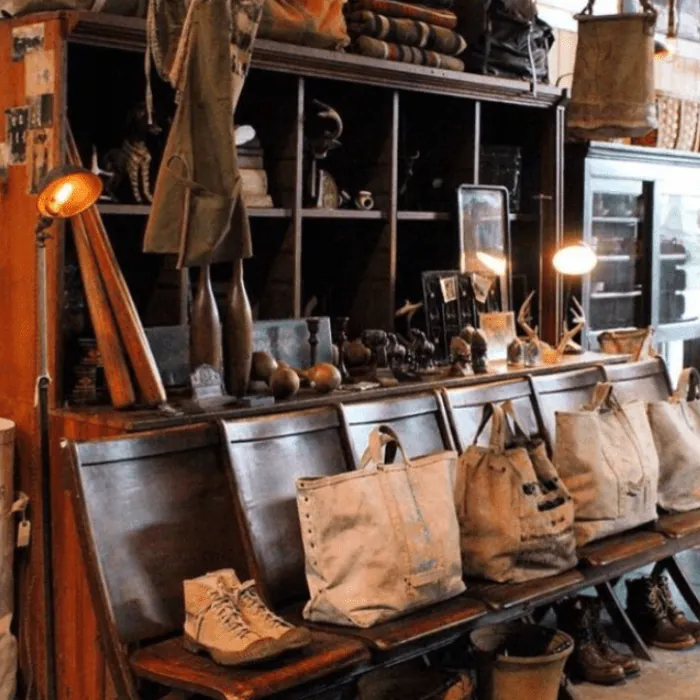
In 2024, when the eleven largest magical schools came to an agreement to allow half-breeds into their educational systems worldwide, it became necessary for the faculty of Koldovstoretz to care for any lycanthropic students that may have begun to attend their conservatory. Since Koldovstoretz is so remote and magically well-guarded from any маглы that may willingly or unwillingly stumble upon the location, concerns were brought up about bringing a small group of students far away from the school -- after all, the staff did not want to potentially expose their students to any risk by taking them outside the confines of the enchantments that ensured the conservatory's safety.
Thus, while other schools took their werewolves to caves and caverns and craters, Koldovstoretz followed a bolder route: allowing their werewolves to stay right in the middle of campus, on the small island situated in the middle of Lake Bear, where it was proven to be safe from маглы. After all, it seemed unfair to the school's leadership that they should lock away their werewolf students and keep them from being able to run free, see the moonlight, and enjoy nature, as they were sure the founders would have disliked -- and as Lady Evgeniya Ignatova determined, as the allowance of werewolves to stay on campus during the full moon was one of the founder's final decrees before she passed.
Of course, this situation comes with several rules that still stand to this day: non-werewolf students are confined to the shores surrounding the lake during every full moon, to keep them from being attacked themselves, and only those faculty members with the skills of Apparition or being a registered Animagus are allowed to accompany the werewolf students to the island for their transformations. Due to werewolves having the ability to swim, simply putting them on the island would not have been enough; as such, the remaining faculty and staff come together each month to cast protective charms on the shores of the island so that the werewolf students are unable to leave the island until the adults dissipate their spells come morning. Students are given the option to take or forego the Wolfsbane Potion, with further information about their decisions below.
The island itself is not physically changed for the full moon and the uptick in its werewolf inhabitants, and in fact stays exactly the same: a small piece of land completely surrounded by the chilling waters of Lake Bear, with seventeen country-themed logwood cottages on the north end and an open field with small copses of trees spanning the south. The only change to the island is that faculty set out enough raw meat for those students who do not take the Wolfsbane Potion, as well as cooked versions and meals in the cabins for those who do take it, to ensure that no student will go hungry during the night.
The inclusion of werewolf students is seen as a benefit to the conservatory overall, and students who commit any acts of prejudice against the lycanthropes are punished for their doings and forced to make public apologies. However, this is incredibly rare as many Koldovstoretz students jump at the chance to assist with and study werewolves in a safe and controlled environment:All of this has been done to ensure that the werewolf students feel not as though they are outcasts, exiled to the island once per month, but rather that they are able to give to the school by assisting their fellow students in their learning. As such, Koldovstoretz has grown stronger than ever -- a school united under their differences.
- Group 5 students are given the rare chance to practice healing charms and spells in the days leading up to the full moon; as most of their training focuses on militaristic duelling wandwork, this gives these students an opportunity to expand their knowledge and assist with werewolves that are feeling ill shortly before the day of the full moon itself.
- Group 6 students with particularly apt abilities are allowed to assist Potions teachers with brewing the Wolfsbane Potion for those students who wish to take it during the full moon and sleep it off in one of the cabins on the island; with this being said, only a rare few students with restricted access are allowed to learn the potion's recipe itself.
- Any werewolves who wish to not take the potion are allowed, with two caveats: firstly, that they consent to being restrained by staff members if they attack another student while transformed, and secondly, that these students who desire to live their transformed life to its fullest allow themselves to be studied once a year, from a distance, by Group 7 students on strug boats out in the lake during their werewolf unit.

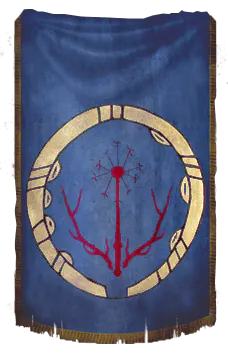

STANDARD UNIFORM:Artist: Aulis VorozheykinThe uniforms worn at Koldovstoretz Conservatory were changed over the summer of 2025, designed with strong influence from Russian military uniforms and Russian culture, and with a new aspect meant to reflect a student's magical skill within their year. Regardless of gender, all students wear a tailored olive green jacket (with matching trousers and a thick, woven gold belt) modelled off of the маглы honour guard uniform, with gold detailing and a front panel that changes colour based on a student's group. Students in Groups 2-4 will sport a standard olive green panel, while Group 5's colour is a brilliant red, Group 6's a pure white, and Group 7's a deep blue. The Koldovstoretz sigil is also emblazoned onto the left arm of the jacket. Though hairstyles are not strictly monitored, students are expected to keep their hair out of their face so it does not interfere with their vision.
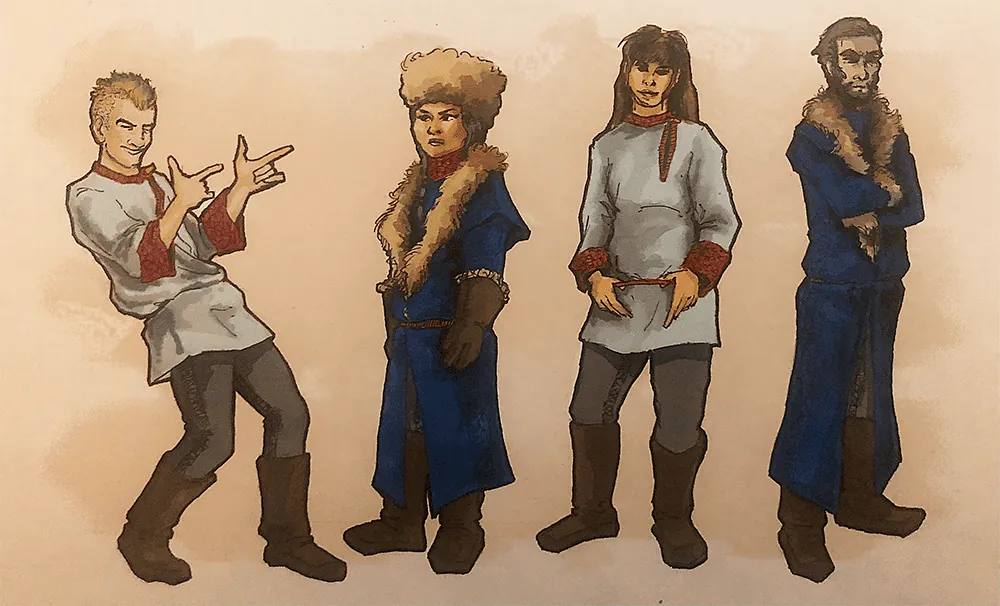
Uniforms are typically light yet comfortable enough to wear on their own during the beginning and end of the school year (May/September), when temperatures near 15°C, but in the colder seasons, students may layer with a fur-lined military greatcoat and uniform-issue fur ushanka to keep warm. Sturdy brown boots are meant to withstand the rough terrain and mud; it also allows for ease of travel along the shallow edges of the lake. The previous uniforms - light blue rubakha with red lining and wooden toggle, dark blue kaftan with fur-lined V across the chest, and woolen papakha - have been kept for sports uniforms for ease of movement, though students may still decide to layer with their greatcoats if cold enough.
SPORTS UNIFORM:Artist: Caradoc Browne

*Lore by Maya Galim, Caradoc Browne, Meenauh Silmataurea, Aulis Vorozheykin, & Siobhan McCarty.
This is the "Game Master" account. Please do not owl this account, unless specified. This account is not moderated actively and therefore, you may not receive a response.
Contact a Head of House or the Headmaster if you need anything.
Koldovstoretz

- 2024 Natasha Pavlova (Наташа Павлова) deceased.
Reducio
Name: Natasha Pavlova (Наташа Павлова)
Age: 57 (born 3rd of August, 1963)
Nationality: Russian
Blood status: Wizard-born
Natasha is taller than most females at 5’8”. You can often find her wearing either flats or boots rather than heels. Her long, chocolate brown hair cascades past her shoulder blades, to the small of her back. She often likes to tie it up in a ballerina bun or in a messy ponytail with volume. For color, her hair has lowlights that make the chocolatey hair shine in the sunlight.
The small waisted woman always tries to look her best no matter the circumstance. She will always doll herself up with makeup and pull her hair to one of her two signature looks. Natasha finds her appearance to be of utmost importance. First impression is everything and Natasha will always ensure that her plump lips are colored and her almond eyes are shadowed. Every morning, she finds time to exercise; toning her body to look its best.
Natasha’s apparel is often made up of A-line midi-dresses. The top may be strapless, fully covered or a sweetheart neckline, but the flow from her waist down will always be the same. This is always paired with her flats or boots.
Koldovstoretz' headmistress is quick-witted and charismatic when in conversation with all types. She loves to learn about others by asking them philosophical and open-ended questions. Natasha loves routine and her living off of structure gives her the need to guide others accordingly.
Past the point of mid-life crisis, Natasha makes sure to look the part. She will do all that she can to look younger than her age whether it be daily potion drinks or pills, or even using muggle methods such as botox or plastic surgeries. Natasha believes that as a woman in power, she needs to ensure that her first impression of appearance is just as vibrant at her diplomatic and charismatic skills.
When it comes to diplomatic strategies, Natasha wants to hear as many perspectives as possible before proceeding to a decision. Once her decision has been made, her stubborn streak prevents her from changing her mind so easily. If an idea or decision does not go her way, Natasha is not afraid to display disappointment, anger and frustration. She will share with whomever in conversation or in-contact how she feels at that moment. If very frustrated and angered, she will throw whatever is nearby her to try and make a point. Once her point is made, she reverts back to her usual self, her emotions lessened. Her being angered easily is what makes others a tad bit fearful of her. Natasha does try to hold her own when among other diplomats to create a good image of herself and her pride and joy, Koldovstoretz School.
Her anger stems from perfection. Natasha Pavlova is the daughter of Evgeniya Ignatova, one of the Koldovstoretz's founders. The weight and burden of keeping a school running to her mother's approval is Natasha's largest of many concerns. She will do everything in her power to ensure that the school is looked upon as successful in the eyes of many-- especially her mother.

2024 - 2025 Yegor Korotkin
2025 - Aulis Vorozheykin
This is the "Game Master" account. Please do not owl this account, unless specified. This account is not moderated actively and therefore, you may not receive a response.
Contact a Head of House or the Headmaster if you need anything.